





The Federal Motor Carrier Safety Administration is warning motor carriers of a new, aggressive phishing campaign featuring emails falsely claiming to be from U.S. Department of Transportation or FMCSA officials.
New Phishing Scheme Targets Motor Carriers, FMCSA Warns
Beware of a new phishing scheme targeting motor carriers. Scammers are sending emails posing as FMCSA or DOT officials to steal data.
February 3, 2026
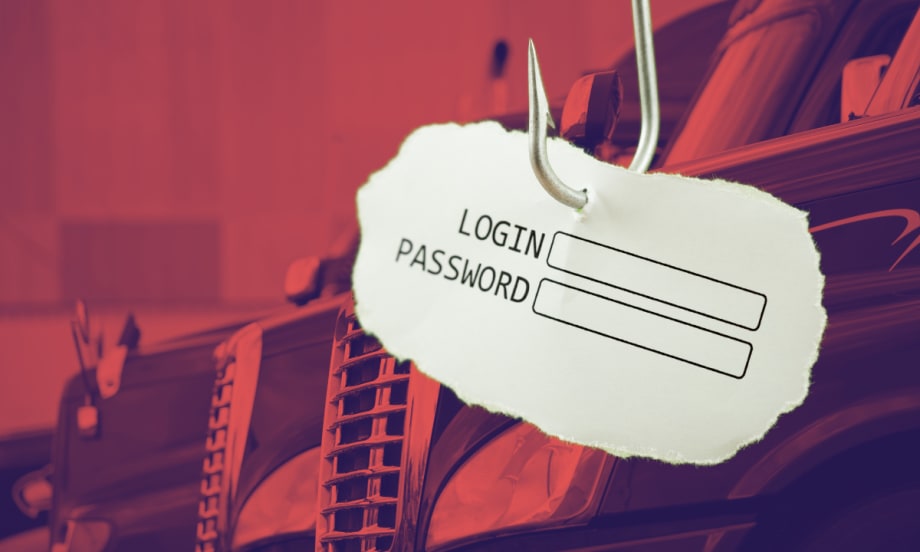
Look closely at any emails purporting to come from the DOT or FMCSA. The agency is warning of a new phishing cybersecurity threat.
Credit:
HDT Graphic
2 min to read
These emails often contain professional-looking documents and legitimate-looking links, but they are fake and designed to steal sensitive information or demand illegal payments.
These emails DO NOT come from USDOT or FMCSA.
What to Know About This Phishing Scheme
- Official FMCSA correspondence almost always uses an email address ending in .gov. In special circumstances, such as customer satisfaction surveys after contacting the FMCSA Contact Center, emails may come from a non-.gov address. These surveys request feedback only and will not ask for personal, payment, or account information. Always verify unexpected emails if unsure.
- Links in phishing emails typically lead to suspicious, non-.gov domains (for example, fmcsa.web.saferwebdattaconnect.pro).
- FMCSA will never request Social Security numbers, bank account details, or credit card information via unsolicited emails or phone calls. Routine updates and renewals are always user-initiated through official FMCSA websites or portals. If sensitive information is required, you should initiate contact through official FMCSA phone numbers or web portals.
- If you have any doubts, avoid clicking links and verify all communications directly through official FMCSA channels, including contacting the FMCSA Call Center at https://ask.fmcsa.dot.gov/app/ticket or call 1-800-832-5660.
How can you verify you’re on an official FMCSA site?
FMCSA websites end with .gov (for instance, www.fmcsa.dot.gov). Always double-check the domain before providing any information. Hover over links to confirm the actual URL before clicking.
What to Do if You Receive a Suspicious Email
- Do not click on links or open attachments.
- Do not reply to the sender.
- File a complaint with the FBI through their IC3 site at https://www.ic3.gov/
- Report suspicious emails to the FMCSA Contact Center at https://ask.fmcsa.dot.gov/app/ticket or call 1-800-832-5660.
- Visit the Federal Trade Commission site at https://consumer.ftc.gov/ for more on phishing and email verification.
More Fleet Management
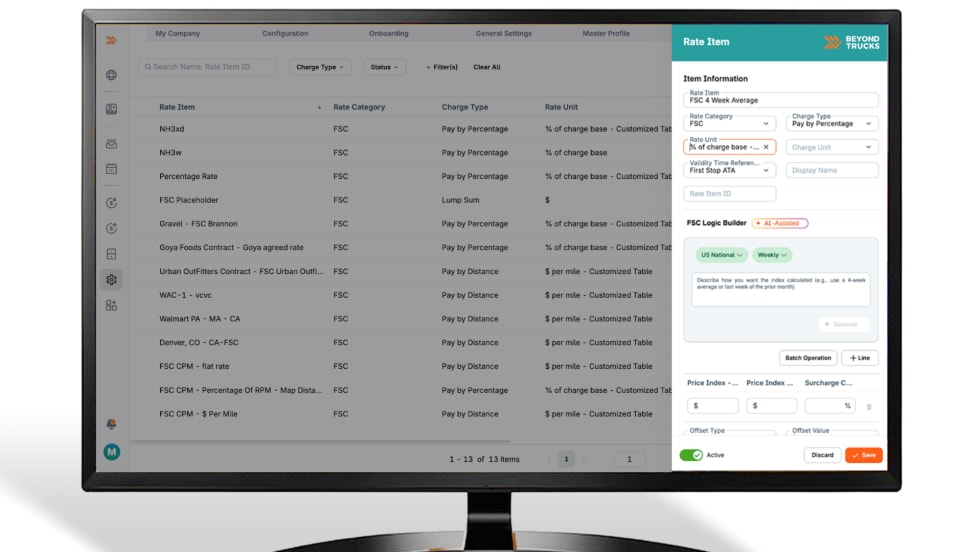
BeyondTrucks Targets Rate Complexity with New AI RateAgents
BeyondTrucks says its new RateAgents can turn plain-language rate logic into working code, starting with fuel surcharges — a critical but notoriously complex piece of carrier revenue.
Read More →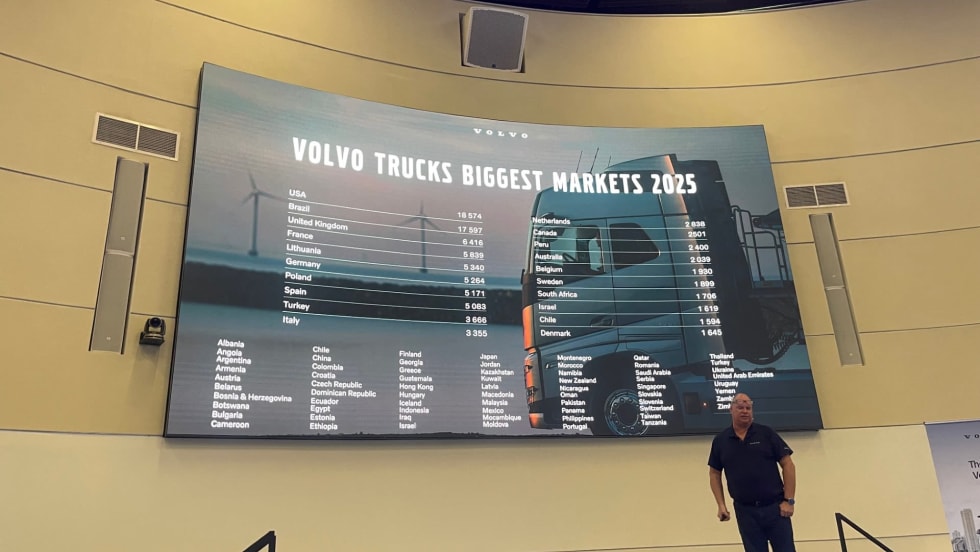
Volvo Sees Market ‘Tipping Point’ as New VNL Orders Surge
Soft freight conditions persist, but aging fleets, strong order intake, and new-product momentum signal a more optimistic second half of 2026, Volvo Trucks North America says.
Read More →
Cargo Theft’s New Playbook: Strategic Fraud, Double Brokering, and Cybercrime Hit Trucking
Cargo theft is evolving from regional smash-and-grab operations to sophisticated fraud schemes. Strategic theft now accounts for roughly a third of cargo crime, with incidents rising sharply in recent years. Here’s how the schemes work — and what fleets can do to protect themselves.
Read More →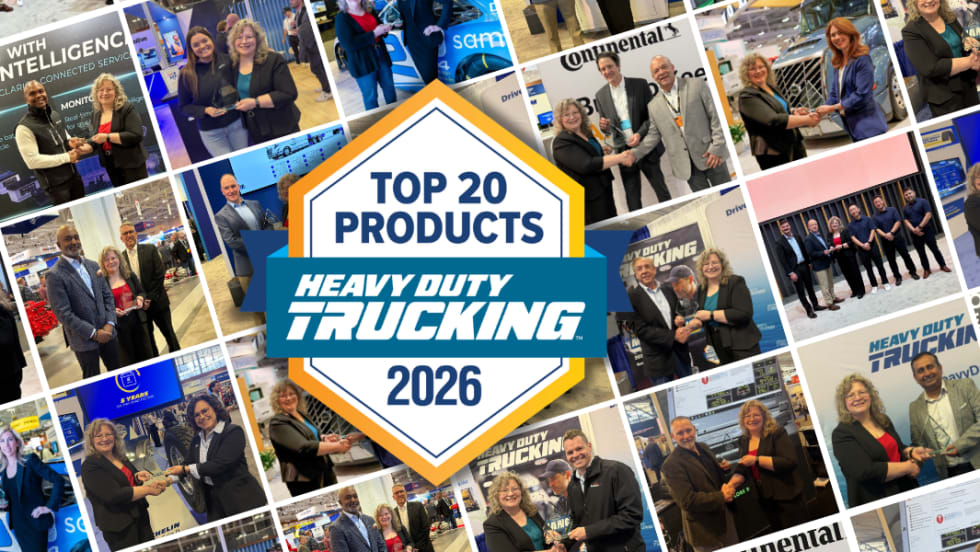
HDT Honors the Best New Products of 2025 at TMC [Photos]
Heavy Duty Trucking's Top 20 Products awards recognize the best new products and technologies. Check out the award presentations at the 2026 Technology & Maintenance Council annual meeting.
Read More →
Sponsored•March 31, 2026
Detroit Engines: Trusted Performance, Built for What's Next
The Detroit® Gen 6 engine platform proves that real progress doesn’t require a complete redesign. Built on 20 years of trusted technology, these engines are designed for efficiency, stronger performance, and greater reliability than before. And they do it all while complying with 2027 EPA standards on every mile.
Read More →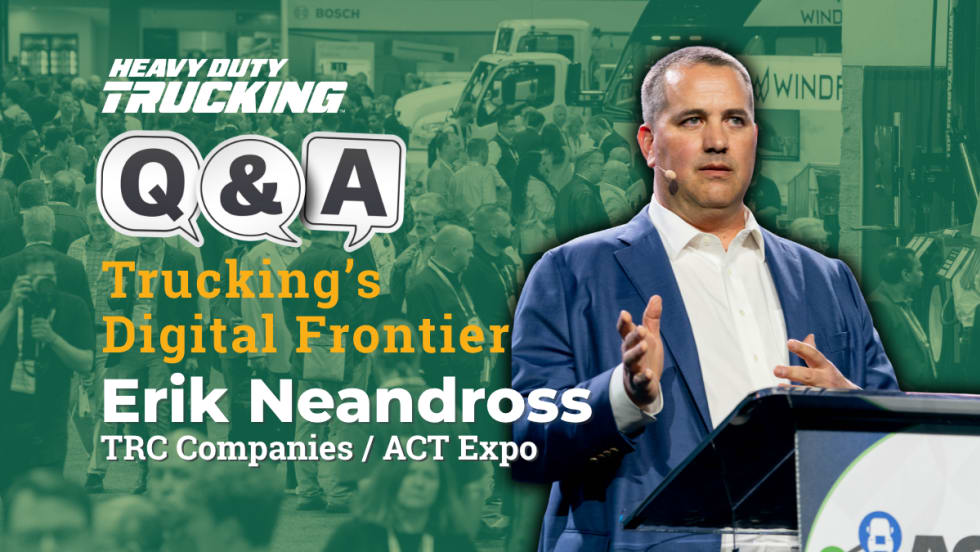
Q&A: What's Real in Advanced Truck Tech? ACT Expo's Erik Neandross Weighs In
The 2026 ACT Expo is focusing heavily on what organizer Erik Neandross calls trucking's digital frontier. This interview excerpt dives into artificial intelligence, zero-emission vehicles, and tips to make sense of it all.
Read More →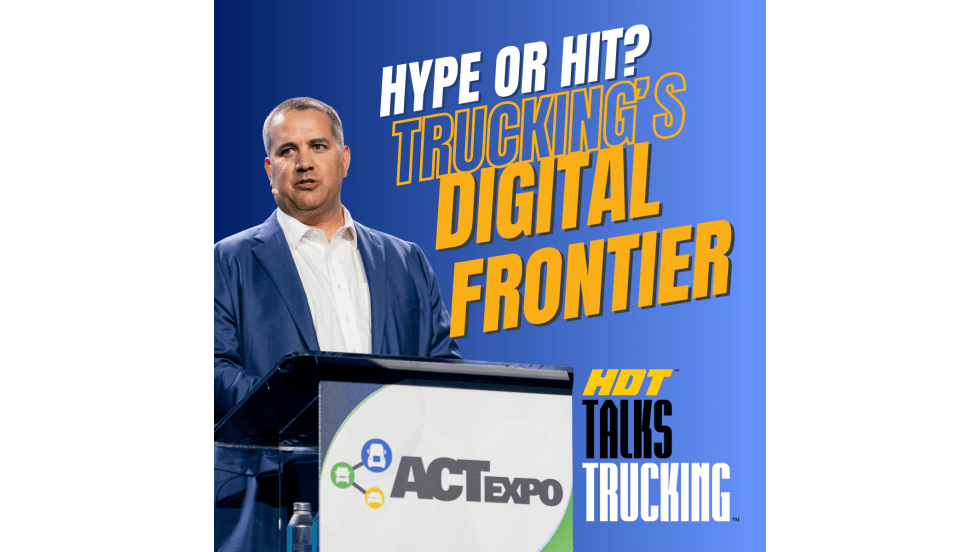
Trucking's Digital Frontier: AI, Connected Vehicles, Alternative Fuels and More
There's an amazing amount of new technology for trucking out there. For fleets, the challenge is figuring out what’s real, what’s hype, and what’s worth investing in.
Read More →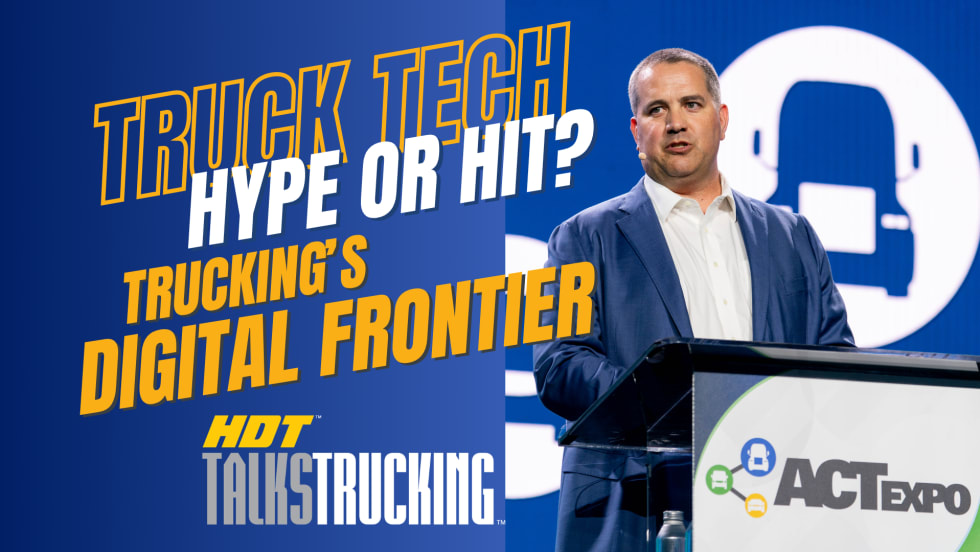
What's Real in Advanced Truck Technology? ACT Expo's Erik Neandross Weighs In
Artificial intelligence, the software-defined vehicle, telematics, autonomous trucks, electric trucks and alternative fuels, and more in this HDT Talks Trucking interview
Read More →
ACT: Trucking Volumes Rise, Capacity Tightens as Fuel Prices Cloud Outlook
ACT Research data shows volumes hitting a four-year high and supply-demand balance strengthening, but higher oil prices are undercutting tariff relief and tempering optimism.
Read More →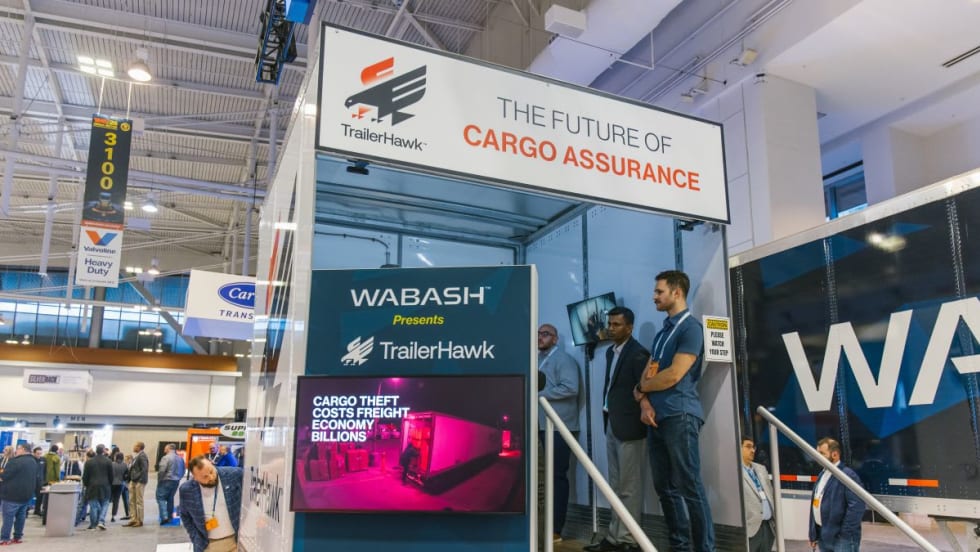
Wabash Teams Physical Security With Digital Tech For Better Cargo Visibility
The patent-pending cargo solution integrates a digitally connected cargo door and an intelligent locking system with the TrailerHawk.AI technology platform.
Read More →