





After the Crash: The Records That Can Make or Break a Trucking Company's Defense
Geotab Launches Tool to Speed Fleet Incident Investigations
Geotab Investigations brings telematics data, video, photos, reports and other evidence into one case file to help fleets determine what happened and resolve incidents faster.
August 12, 2026
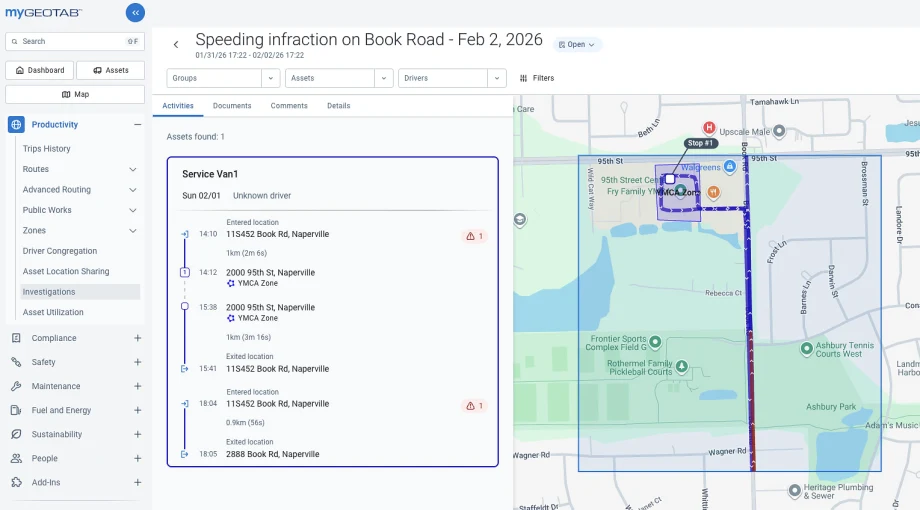
Geotab Investigations uses existing telematics data to reconstruct vehicle activity surrounding an incident. Supporting evidence can be added, such as photos, videos, reports and documents.
Credit:
Geotab
2 min to read
Geotab has launched a new tool designed to help fleets investigate crashes, complaints, property damage, and other incidents without having to piece together information from multiple systems and sources.
Geotab Investigations brings telematics data and other evidence related to an incident into a single case file, giving safety, compliance, and operations teams a clearer picture of what happened before, during, and after an event.
Bringing Incident Information Into One Place
Investigating a fleet incident can require information from operations and safety teams as well as insurers and legal departments. Vehicle and driver data may be in one system, while photos, video, reports, emails and other documentation are stored elsewhere.
Geotab said Investigations is designed to reduce that manual work and help fleets resolve cases more quickly, while creating a consistent record that can be used for insurance claims, compliance reviews or legal proceedings.
“Fleet-related incidents have cost companies billions of dollars in litigation and reputational damage, largely because critical data remains siloed,” said Sabina Martin, vice president of product management at Geotab.
“Geotab Investigations changes this by turning raw data into a structured, defensible system of record, providing fleet managers with the intelligence to mitigate risk and the evidence to protect their drivers, operations and bottom line.”
Reconstructing What Happened
The system uses existing telematics data to reconstruct vehicle activity surrounding an incident. Users can search by location and time to identify vehicles that may have been involved, then review trips, speed events, driver behavior, and location information to build a timeline.
That can also help protect drivers when complaints or claims don't match the data by giving fleets objective information about where a vehicle was and what it was doing at the time.
Building a Complete Case File
Fleets can add supporting evidence — including notes, emails, reports, documents, photos and video — to the same case rather than maintaining those records separately.
Another feature is a structured workflow that tracks a case from opening through resolution and maintains an auditable record of the investigation. The combined information can then be used by operations, safety, insurance, compliance, and legal teams when reviewing an incident or making decisions about a claim.
Geotab cautions that Investigations is not intended to serve as an evidence-preservation or legal-hold system. Fleets are responsible for preserving evidence and meeting legal requirements, and should consult legal counsel when litigation is involved.
More Safety & Compliance

Hours of Service Pilot Programs: FMCSA Readies for 2027 Rollout
Two pilot programs could eventually reshape hours-of-service rules, giving truck drivers options to pause their 14-hour clock or use longer split sleeper rest periods.
Read More →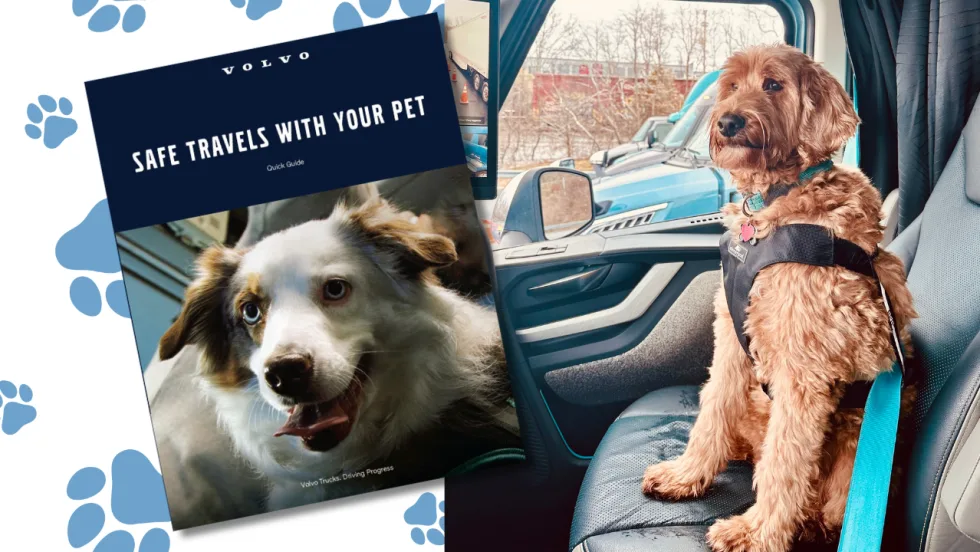
New Guide Offers Pet Safety Tips for Truck Drivers
Hundreds of thousands of pets travel in truck cabs. A new safety guide from Volvo Trucks and the Center for Pet Safety offers practical advice for truck drivers who bring dogs and cats along for the ride.
Read More →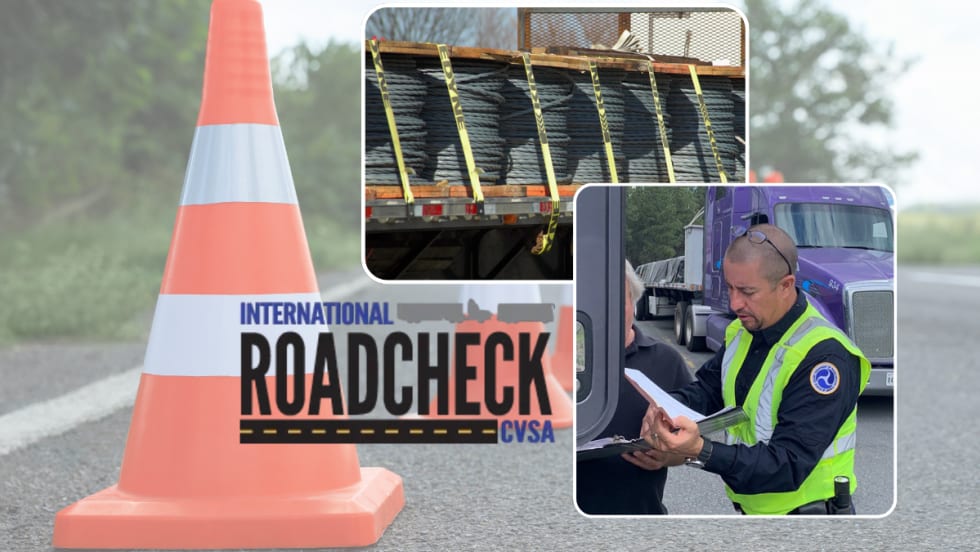
Medical Cards, English Proficiency Reshape Roadcheck Violations
Medical-card violations jumped to the top of the driver out-of-service list during CVSA’s 2026 International Roadcheck, while English-language proficiency violations appeared among the leading violations for the first time.
Read More →
How Lance Evans Turns Enforcement Experience Into Better Fleet Safety
HDT Truck Fleet Innovator Lance Evans brings lessons from law enforcement to K&B Transportation’s approach to safety technology, data, driver coaching, and compliance.
Read More →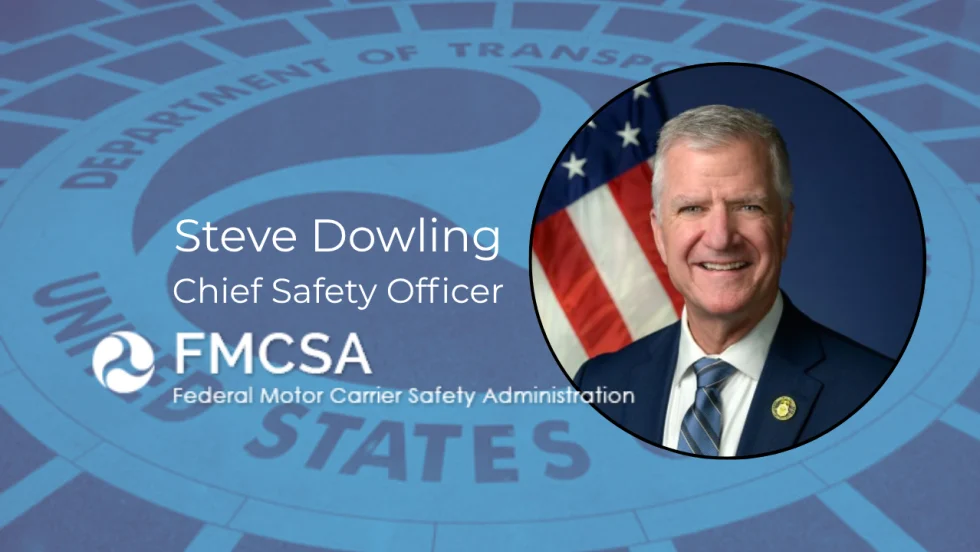
New FMCSA Chief Safety Officer Has Trucking Industry and Law Enforcement Experience
Steve Dowling joins FMCSA after serving as senior director of safety at Covenant Logistics and in leadership roles in commercial motor vehicle industry organizations.
Read More →
Driver Trust Can Make or Break the Success of Fleet Safety Technology
New Teletrac Navman research suggests that onboarding, transparency about driver data, and positive feedback can play a significant role in how commercial drivers respond to safety and coaching technology.
Read More →
FMCSA: Stop Using These 15 Electronic Logging Devices
Fleets and drivers must replace the revoked ELDs with ones on the FMCSA's registered device list of electronic logging devices.
Read More →
How HDT’s 2026 Truck Fleet Innovators Are Rethinking Fleet Operations
Meet five trucking leaders who are challenging assumptions, solving operational problems, and putting innovative ideas to work.
Read More →
FMCSA Moves to Codify English Language Requirements for Commercial Drivers
By changing regulations on English-language proficiency requirements for commercial drivers, rather than relying on a guidance memo, the FMCSA said future administrations won't be able to walk back the Trump administration's stricter enforcement with just a memo.
Read More →
Trump Administration Expands Homeland Security's Role in Trucking Enforcement
The administration's latest trucking crackdown goes beyond roadside inspections, expanding Homeland Security's role in commercial vehicle enforcement and investigations involving CDL training schools.
Read More →