





Captive insurance companies are becoming more popular as a way for motor carriers to keep auto and liability insurance costs down. L&F Distributors, a Texas-based beverage distributor with some 1,000 power units, applied the same approach to healthcare costs.
How One Fleet Took Healthcare Costs into its Own Hands
Captive insurance companies are becoming more popular as a way for motor carriers to keep auto and liability insurance costs down. L&F Distributors, a Texas-based beverage distributor with some 1,000 power units, applied the same approach to healthcare costs.
May 26, 2021
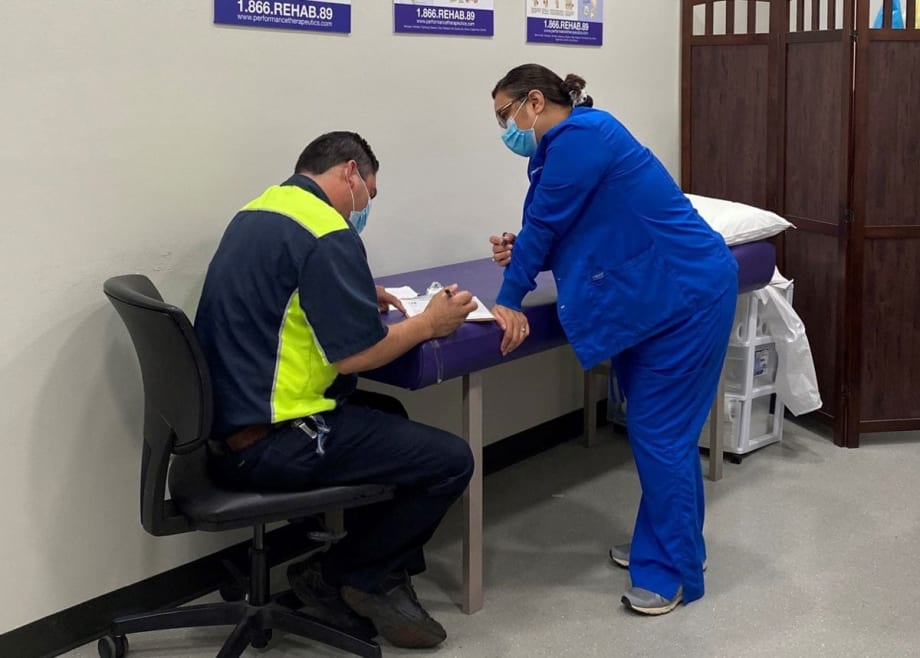
Employees can get free doctor’s visits at L&F’s warehouse location, free imaging, free urgent care, all without deductibles or co-pays.
Photo: L&F Distributors
5 min to read
L&F owns eight distribution warehouses serving Texas and Southern New Mexico and employs more than 1,200 people. Twelve years ago, General Partner Joe LaMantia started a captive insurance program to address fleet insurance costs. Today that captive has more than 7,000 power units and has seen no increases in rates for the least three years.
Based on that success, seven years ago he started a healthcare captive program for beer distributors, followed by one for companies outside of that business.
The average cost of healthcare for each employee in the captives is about $7,500 per year, he says. Compare that to the nearly $15,000 per employee, including premiums and employees' out-of-pocket costs, estimated by the nonprofit Business Group on Health. BGH represents large employers; smaller companies may see even higher costs.
Employees can get free doctor’s visits at L&F’s warehouse location, free imaging, free urgent care, all without deductibles or co-pays. And from the company standpoint, LaMantia says, “We’re still saving money compared to regular insurance. And we’re able to keep the cost down. We’re paying the same thing we did six years ago for healthcare insurance,” at a lower cost to employees.
L&F is also working with Texas Medical Management, an ambulatory surgery center, to save costs compared to using more-expensive hospital facilities and traditional health insurance.
“To give you an idea of the costs that we're talking about here, I can send an employee and their spouse from El Paso to Austin to the ambulatory surgery center, pay for their airfare, get them picked up in a limousine, put them up in a four- or five-star hotel, waive their deductible, waive their copay, give them $1,000 cash to spend however they want to spend it – and it still ends up costing me 20 to 30% less than if [they] went to a hospital” for that surgery.

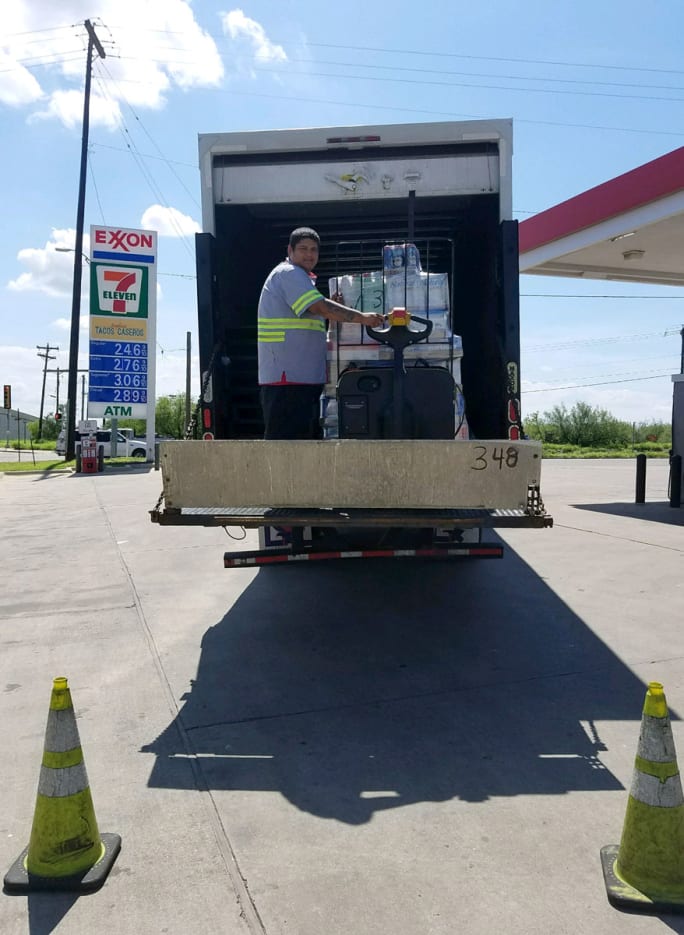
L&F Distributors, a Texas-based beverage distributor, cut healthcare costs by using the same "captive" approach that worked for vehicle and liability insurance.
Photo: L&F Distributors
How an App Helps Make the Captive Successful
But to make a program like this work, LaMantia says, “I can't stress enough how important the utilization is. No matter what program you put into place, if you've only got 10% utilization, you're not going to do any good.”
After L&F opened nine onsite health clinics, it found that most employees weren’t using a new benefit designed to combat chronic disease. The company hired b.well Connected Health to launch a mobile app that consolidates every element of an employee’s health in one location with one sign-on.
Employees can use the app to access medical records from any provider; see their insurance benefits; manage their medications and pharmacies; connect third-party apps and wearables; receive alerts and reminders on care needs; and share health information with trusted family members. The app sends reminders and educational information to people with chronic illnesses that can help manage them.
The added convenience of the app has proven popular with employees, driving a 57% increase in use of the onsite clinics and enrollment in the benefit program, and up to a 78% increase in the control of chronic illnesses.
LaMantia says 98% of employees with chronic diseases are participating in its disease management program. “That’s huge. Most companies are happy with 10 or 12%. The b.well application, if I'm not mistaken, is somewhere above 70%.
The convenience of the b.well mobile app lets employees access their health information anywhere.
Photo: L&F Distributors
Using Data to Drive Healthcare Costs Down
From the company side, LaMantia says, the actionable data offered by the app “is just like gold. You know where to direct your resources to cover your highest-expense items.”
In a typical insurance company, that kind of data is just not available. “But when you get into a captive arena, you have influence over every spoke in the health care arena besides the government.
“If we have a problem with a large claim, we don't call our broker. We call up the CEO of the insurance company and deal with it on that level.”
He offered as an example an endocrinologist group it has worked with. Its pharmaceutical costs are higher than other such groups – but the hospitalization costs were far less expensive.
“This group of endocrinologists treated the diseases very aggressively, and they utilize drugs that normally a pharmacy benefits manager or an insurance company would not pay for,” LaMantia explains. Yet those same drugs help prevent hospitalizations and save money in the long term. With the captive, he says, they had the leverage to get the pharmacy benefits manager to approve those medications.
LaMantia admits he launched into this without much medical knowledge. “It took me three months to learn how to pronounce hyperlipidemia. And I still can't spell it. Everything I learned about healthcare has been through the school of hard knocks. And it is criminal, what the healthcare system is doing to payers and patients. And the more I got involved with it, the more motivated I became to try to find a solution to it.”
The company has been able to do that, by identifying high-cost areas and determining ways to address it. Recently it added a maternity program for complicated pregnancies.
B.Well “gives us direction on where we need to spend resources to either hold the cost or reduce the cost of the healthcare and make it better for the employees,” LaMantia says, “which is critical as far as the turnover is concerned.”
Reducing Turnover, Too
And with the truck driver shortage being what it is, keeping employee turnover down may be just as critical as keeping healthcare costs down. L&F’s drivers love the program, LaMantia says.
“I can't tell you how many times I'm stopped in a store, in the warehouse, and people come up and thank me for the health care program we've got because almost everything they need is free to them. And the program is designed to make it convenient for the employee.”
Although L&F’s drivers are able to access the company’s health clinics regularly because they’re local, LaMantia believes that regional and even long-haul trucking companies could take advantage of this approach, as long as drivers are able to report back to any kind of centralized location, once or twice a month.
“You can find out what types of problems you're dealing with, and what types of diseases are costing you the most money. And that's where you attack. And the nice thing about the b.well app is that no matter where they're at, they can log in to it and figure out what's going on.”
Subscribe to Our Newsletter
More Fleet Management
HDT Honors the Best New Products of 2025 at TMC [Photos]
Heavy Duty Trucking's Top 20 Products awards recognize the best new products and technologies. Check out the award presentations at the 2026 Technology & Maintenance Council annual meeting.
Read More →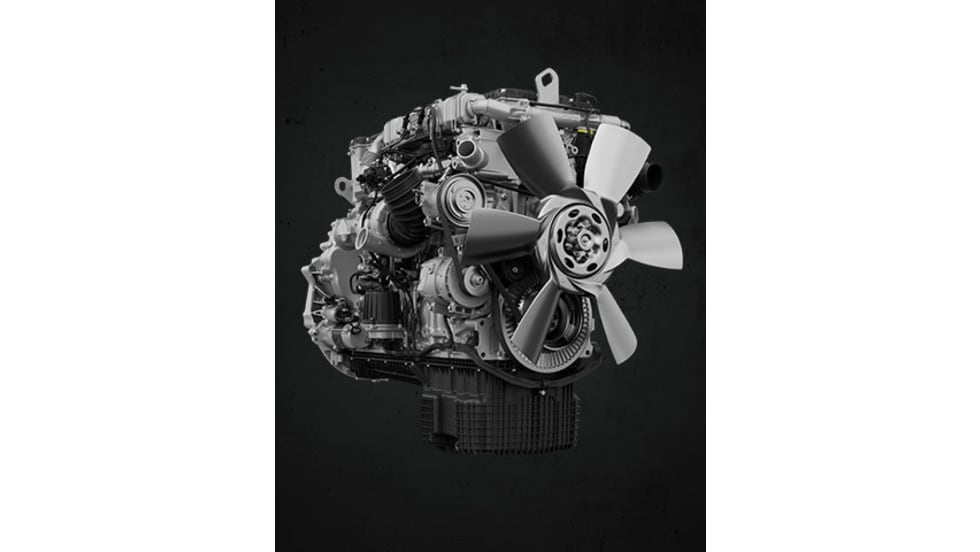
Sponsored•March 31, 2026
Detroit Engines: Trusted Performance, Built for What's Next
The Detroit® Gen 6 engine platform proves that real progress doesn’t require a complete redesign. Built on 20 years of trusted technology, these engines are designed for efficiency, stronger performance, and greater reliability than before. And they do it all while complying with 2027 EPA standards on every mile.
Read More →
Q&A: What's Real in Advanced Truck Tech? ACT Expo's Erik Neandross Weighs In
The 2026 ACT Expo is focusing heavily on what organizer Erik Neandross calls trucking's digital frontier. This interview excerpt dives into artificial intelligence, zero-emission vehicles, and tips to make sense of it all.
Read More →
Trucking's Digital Frontier: AI, Connected Vehicles, Alternative Fuels and More
There's an amazing amount of new technology for trucking out there. For fleets, the challenge is figuring out what’s real, what’s hype, and what’s worth investing in.
Read More →
What's Real in Advanced Truck Technology? ACT Expo's Erik Neandross Weighs In
Artificial intelligence, the software-defined vehicle, telematics, autonomous trucks, electric trucks and alternative fuels, and more in this HDT Talks Trucking interview
Read More →
ACT: Trucking Volumes Rise, Capacity Tightens as Fuel Prices Cloud Outlook
ACT Research data shows volumes hitting a four-year high and supply-demand balance strengthening, but higher oil prices are undercutting tariff relief and tempering optimism.
Read More →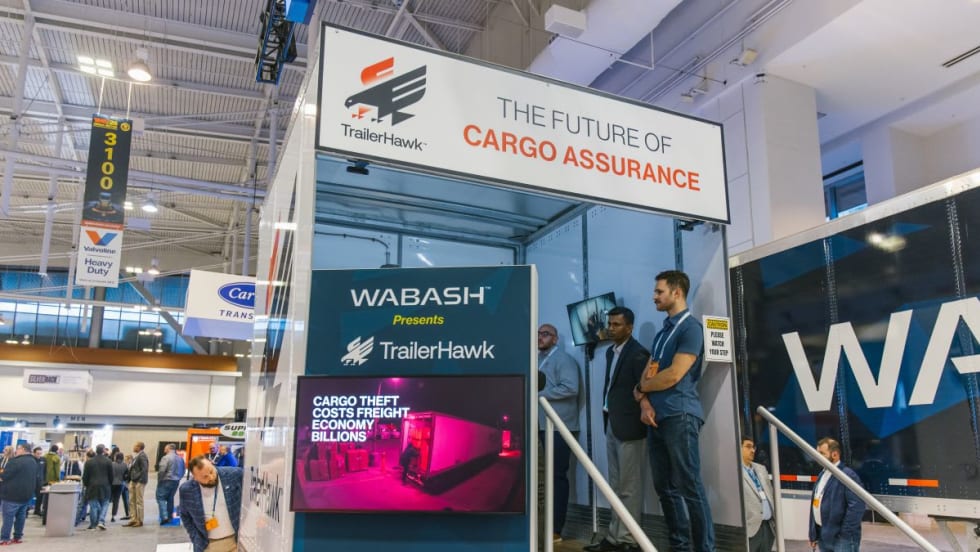
Wabash Teams Physical Security With Digital Tech For Better Cargo Visibility
The patent-pending cargo solution integrates a digitally connected cargo door and an intelligent locking system with the TrailerHawk.AI technology platform.
Read More →
From Diesel Prices to Cyberattacks: How the Iran War Is Affecting Trucking
The impact of the Iran conflict extends beyond fuel costs, bringing more fraud and cybersecurity risks to the trucking industry.
Read More →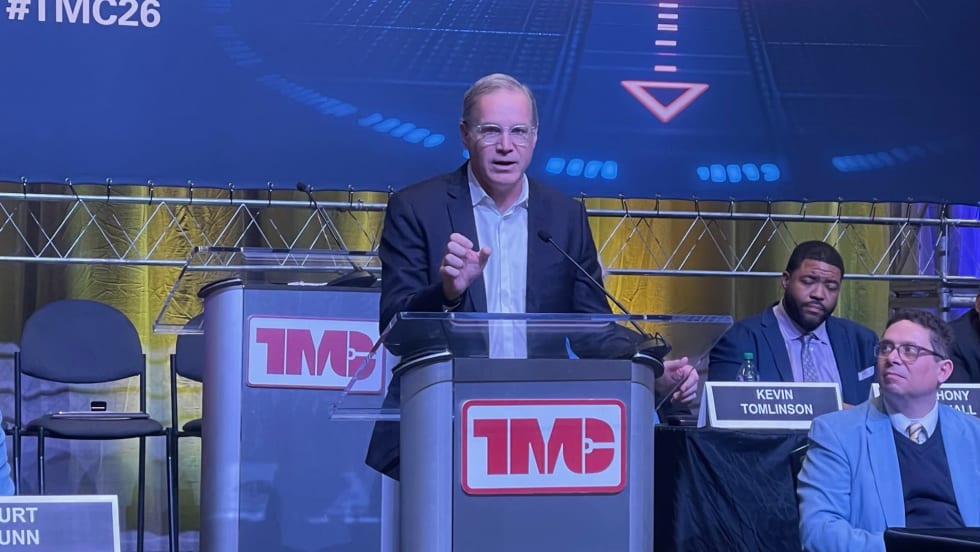
ATA’s Spear Warns Fuel Prices, Trade Policy, and Global Conflict Could Stall Trucking Recovery
Speaking at the TMC Annual Meeting in Nashville, ATA President Chris Spear said trucking faces mounting pressure from rising fuel prices, geopolitical instability, and uncertainty around trade policy.
Read More →
New Entrants, Chameleon Carriers, and Safety: Is It Too Easy to Start a Trucking Company?
More than 100,000 new trucking companies enter the industry each year, but regulators manage to audit only a fraction of them. That churn creates opportunities for inexperienced startups — and for “chameleon carriers” that shut down after safety violations and reappear under new identities. Read more from Deborah Lockridge in this commentary.
Read More →