





Volvo has begun on-road testing of heavy-duty trucks powered by hydrogen-fueled internal combustion engines.
Volvo Testing Hydrogen-Fueled Internal Combustion Engines on Trucks in Europe
Hydrogen combustion engine trucks will be especially suitable over longer distances and in regions where there is limited charging infrastructure or time for recharging of battery-electric trucks, according to the company.
April 1, 2026
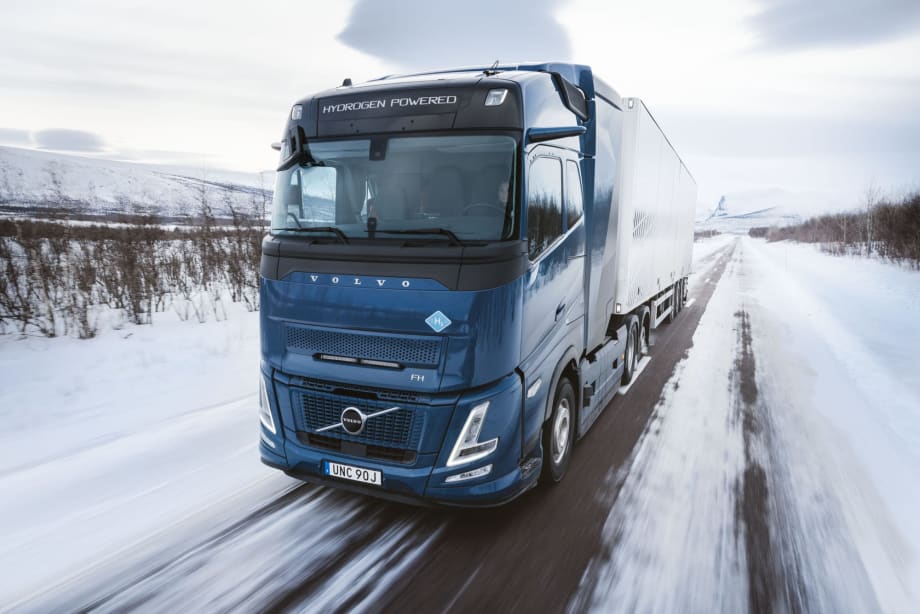
Volvo’s hydrogen-powered trucks are being developed to provide higher energy efficiency, lower fuel consumption and increased engine power compared to conventional hydrogen combustion engine technology.
Credit:
Volvo Trucks
2 min to read
The company's advanced hydrogen engine technology is derived from its diesel powertrain, delivering diesel-like performance while substantially cutting CO2 emissions.
The commercial launch of Volvo’s hydrogen solution is planned in Europe before 2030.
Volvo’s hydrogen-powered trucks are being developed to provide higher energy efficiency, lower fuel consumption, and increased engine power compared to conventional hydrogen combustion engine technology, according to the company.
Why Are Volvo's Hydrogen Combustion Engines Different?
These trucks use High Pressure Direct Injection (HPDI), a technology where a small amount of ignition fuel is injected with high pressure to enable compression ignition before hydrogen is added.
Volvo is already using this technology in its natural-gas-powered trucks, with more than 10,000 units using HPDI sold globally.
“On-road testing is an important milestone for our hydrogen combustion engine trucks,” said Jan Hjelmgren, head of product management at Volvo Trucks, in a news release. “Customers will be able to operate them just like diesel trucks.
Hydrogen combustion engine trucks will be especially suitable over longer distances and in regions where there is limited charging infrastructure or time for recharging of battery-electric trucks, according to the company.
Volvo trucks with combustion engines powered by green hydrogen have the potential to deliver net-zero CO2 well-to-wheel when using renewable diesel as ignition fuel.
Volvo’s Multiple Paths to Decarbonization
This reflects Volvo Trucks’ three-path approach to decarbonization:
- Battery-electric trucks
- Fuel-cell electric trucks
- Trucks that run on renewable fuels such as biogas and renewable diesel
The hydrogen-powered combustion engine trucks will complement the company’s broader portfolio of solutions to support the transition to zero-tailpipe-emission transport across global markets.
Regulatory classifications and incentives for hydrogen-powered vehicles vary by region, including in North America. A large-scale deployment of hydrogen-powered trucks will require the rollout of hydrogen fuel infrastructure and a competitive price on hydrogen.
More Fuel Smarts
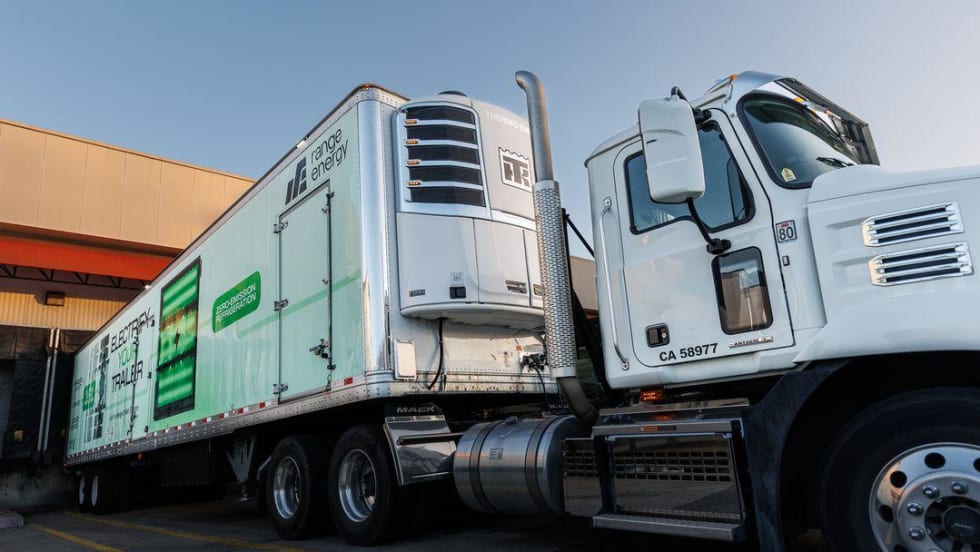
Range Energy Confirms eTrailer Performance in Winter Testing as Commercial Rollout Nears
Range Energy said its production-ready eTrailer system proved it can boost stability, safety, and efficiency in sub-zero winter conditions as the company moves toward scaled deployment.
Read More →
Top Green Fleets of 2026: Nomination Deadline Extended
Is your company a leader in sustainability efforts among trucking fleets? If so, Heavy Duty Trucking's editors want to hear from you.
Read More →
New Lightweight Wheel Cover Targets Simpler Aero Gains [Watch]
Watch to learn how Deflecktor's new wheel cover design is taking a simpler approach to aerodynamics, with an eye toward making it more practical for both trucks and trailers.
Read More →
Deflecktor: Hubbub Aerodynamic Wheel Cover Cost-Effective Even for Trailers
Aerodynamic wheel covers can deliver small but meaningful fuel-economy gains for fleets, and Deflecktor says its latest design aims to make the technology easier and more affordable to deploy.
Read More →
Cutting Fleet Fuel Costs in a Volatile Market [Listen]
When diesel prices are as volatile as they've been in 2026, it makes it tough for trucking fleets to plan and control costs. Breakthrough Fuel's Jenny Vander Zanden has insights on near-term savings strategies.
Read More →
Diesel Price Swings Aren’t Over. What Can Your Fleet Do?
Practical steps fleets can take to manage fuel costs, from purchasing strategies to driver behavior.
Read More →
Diesel Prices Surge Toward Record Highs as Oil Price Volatility Intensifies
Prices jumped another 24 cents in a week, with California topping $7.50 and new data showing fleet fuel costs may already be at record levels.
Read More →
Toyota’s Entry Into Cellcentric Signals Push to Accelerate Hydrogen Truck Adoption
By joining Daimler Truck and Volvo, Toyota brings fuel cell expertise to a joint effort aimed at making hydrogen viable for heavy-duty transport.
Read More →U.S. Diesel Prices Hit $5.40, Top $7 in California
Trucking operators are slowing speeds, cutting empty miles, and declining unprofitable freight as diesel costs continue to rise due to conflict in the Middle East.
Read More →
EPA Targets DEF Sensor Failures Behind Truck Derates
New guidance allows engine makers to replace problematic DEF sensors with NOx-based systems, aiming to reduce unnecessary derates and downtime caused by failures in the sensors designed to monitor diesel exhaust fluid on trucks.
Read More →