




Sysco and US Foods Merging, Creates Nation’s Second Largest Private Fleet
Two of the nation’s largest distributors of food to commercial kitchens are merging creating one of the nation’s largest private truck fleets.


Two of the nation’s largest distributors of food to commercial kitchens are merging creating one of the nation’s largest private truck fleets.
Sysco and US Foods announced an agreement on Monday in an approximately $8.2 billion deal, with the combination having been approved by the board of directors of each company.
The new company will continue to be named Sysco and headquartered in Houston, Texas. At closing, Sysco will have estimated annual sales of approximately $65 billion.
Sysco will pay approximately $3.5 billion for the equity of US Foods, comprising $3 billion of Sysco common stock and $500 million of cash. As part of the transaction, Sysco will also assume or refinance US Foods' net debt, which is currently approximately $4.7 billion, bringing the total enterprise value to $8.2 billion.
After completion of the transaction, the equity holders of US Foods will own approximately 87 million shares, or roughly 13% of Sysco. A representative of each of US Foods' majority shareholders, affiliates of Clayton, Dubilier & Rice and Kohlberg Kravis Roberts & Co., will join Sysco's board of directors upon closing.
The transaction, which is expected to close in the third quarter of calendar year 2014, is subject to customary closing conditions and regulatory approvals, including federal antitrust approval.
According to Transport Topics newspaper’s 2013 private fleet rankings, Sysco is the nation’s third largest private carrier operating nearly 8,000 tractors, just over 1,400 straight trucks and close to 10,000 trailers.
U.S. Foods is ranked fifth with more than 5,400 tractors, nearly 350 straight trucks and more than 8,400 trailers.
Based on these rankings, the combination would create the nation’s second largest private truck fleet with PepsiCo still being ranked number one.
More Fleet Management
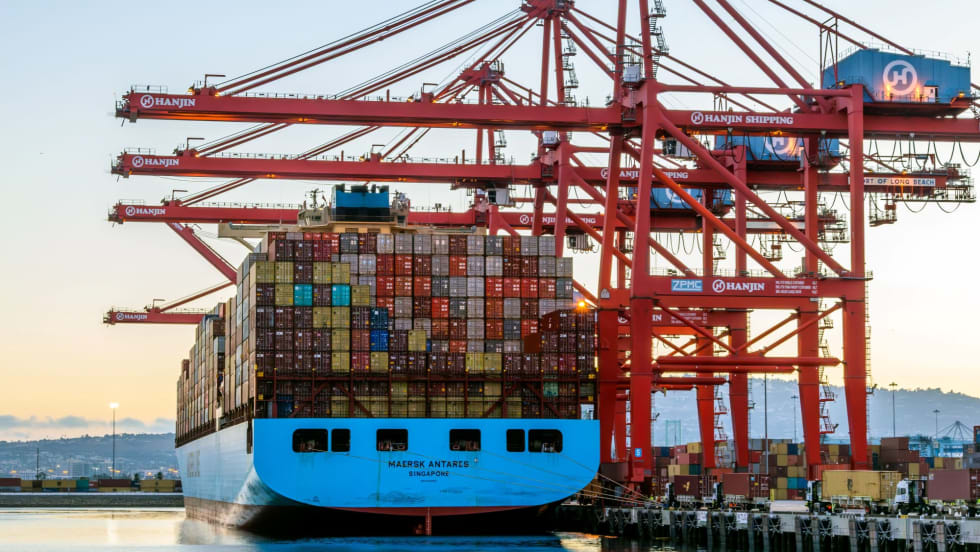
July Imports Poised to Set Container Record
The National Retail Federation projects July container imports will surpass the pandemic-era record as shippers frontload freight ahead of expected August tariff increases.
Read More →
HDT Announces 2026 Truck Fleet Innovator Finalists
From AI and fleet electrification to safety, operations, and leadership, these HDT Truck Fleet Innovator finalists are changing how trucking gets done.
Read More →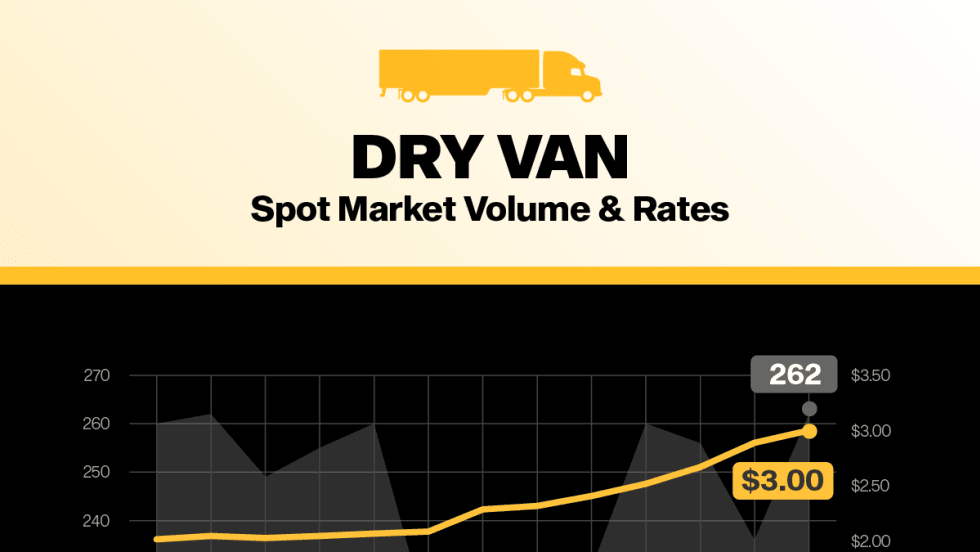
Van Spot Rates Top Contract Rates for First Time Since 2022
There’s more good economic news for the North American trucking industry according to the latest Truckload Volume Index report from DAT.
Read More →
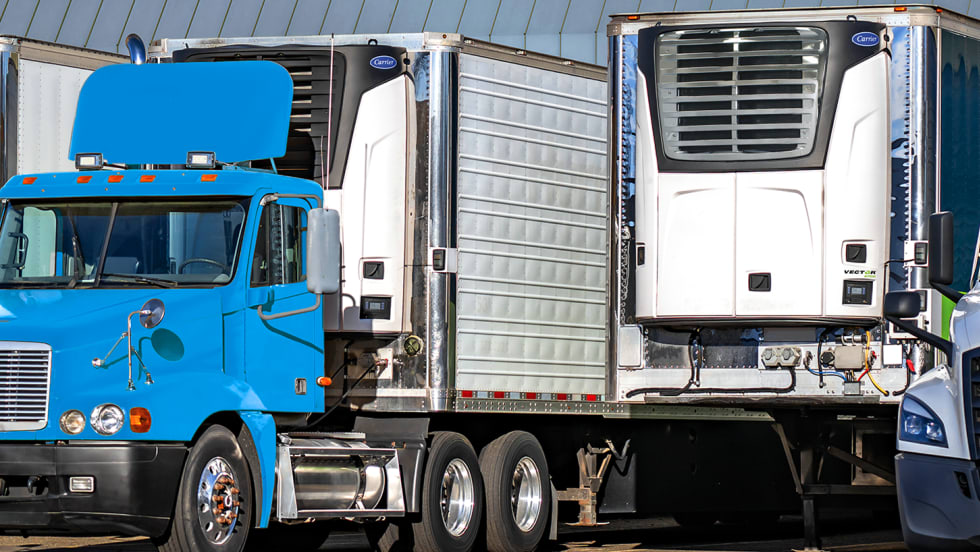
Carrier Transicold Extends Refrigerated Trailer Life
Fleet Refresh enables refrigerated fleets to replace aging transport refrigeration units instead of entire trailers, while adding Lynx Fleet telematics and BluEdge service coverage.
Read More →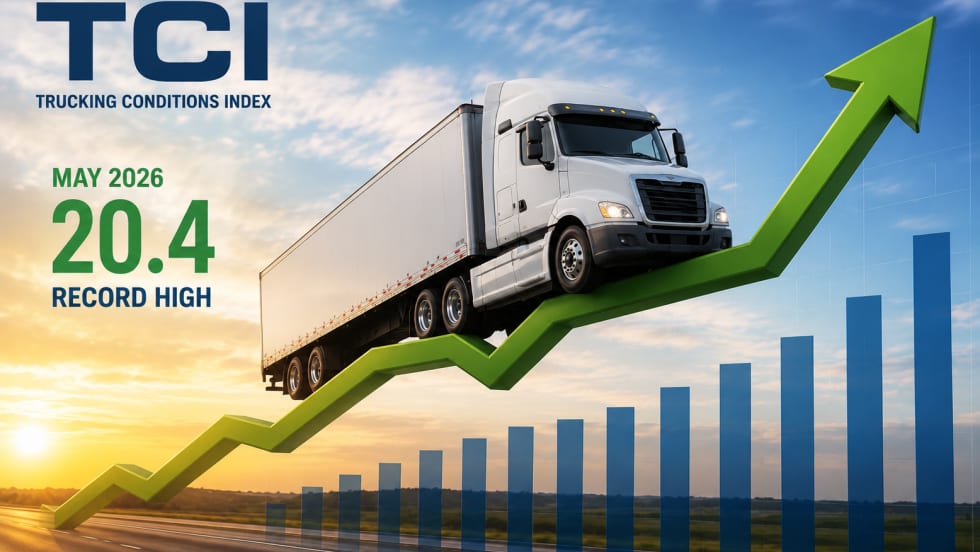
FTR Says Freight Rates Surged in May
FTR's Trucking Conditions Index surged to a record high in May, the analytics firm reports.
Read More →
Meet HDT's Truck Fleet Innovators at Heavy Duty Trucking Exchange
Heavy Duty Trucking Exchange brings fleet managers and suppliers together for the deeper conversations that lead to ideas, partnerships, and solutions. Time is running out to apply for HDTX, September 23-25.
Read More →
Enhance Fleet Performance with High-Efficiency Auxiliary Power Units
Drive sustainable cost savings while increasing driver comfort during short- and long-haul logistics operations.
Read More →
Is Your Parts Procurement Process Reactive or Proactive?
Ready to revamp your parts procurement process? Learn how now with “Strategic Parts Purchasing: A Process Checklist”
Read More →
What Trucking Events are Happening in 2026?
Looking for trucking-related conventions, expos, and other events? Heavy Duty Trucking has developed this list of national and larger regional trucking shows and events.
Read More →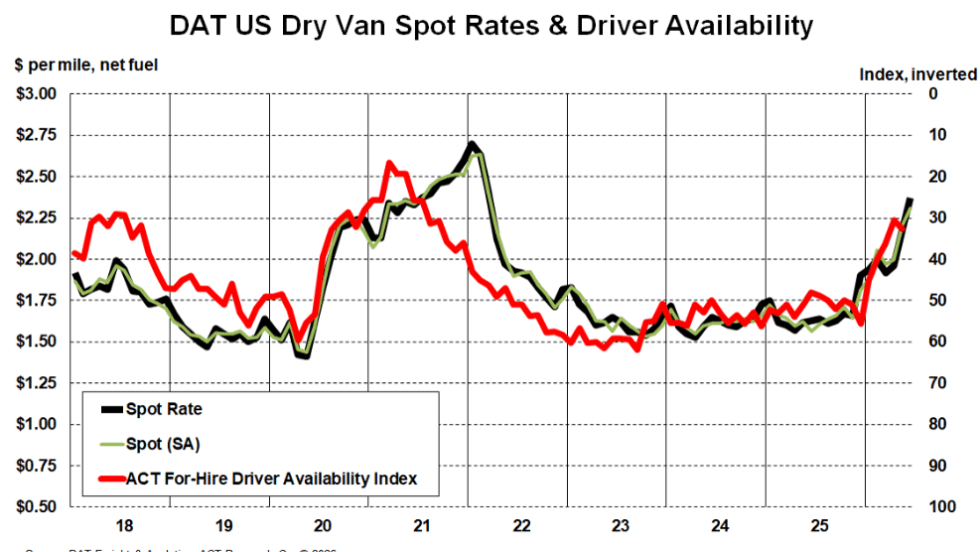
Truckload Rates Keep Rising as Tight Capacity Fuels Freight Market Recovery
Spot and contract rates continued climbing in May and June, not because freight demand is surging, but because fewer trucks and drivers are available.
Read More →