





North American Class 8 truck orders cooled in March from February’s surge but remained exceptionally strong, according to preliminary data from FTR.
FTR: Class 8 Orders Stay Hot in March Despite Monthly Dip
Fuel prices aside, Class 8 demand remains elevated as freight fundamentals improve and fleets regain confidence in long-term investments.
April 8, 2026
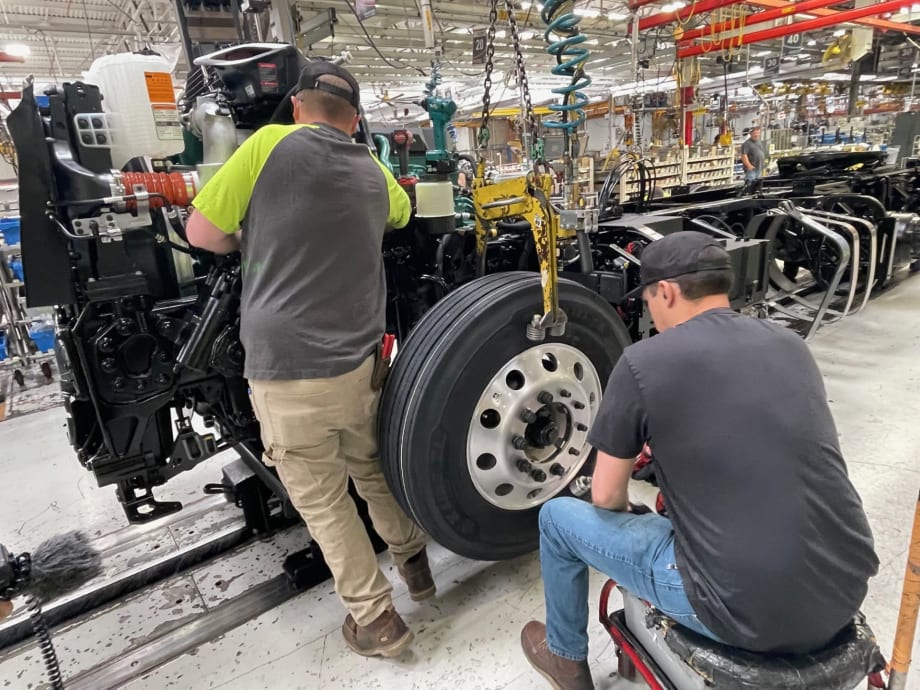
According to FTR, over the past 12 months, total Class 8 orders reached 280,457 units, underscoring a sustained rebound in demand.
Credit:
Jack Roberts
3 min to read
FTR reported 38,200 net orders for March, down 19% month over month but up a striking 137% year over year.
The result marks the fourth straight month of more than 20% annual growth and the second consecutive month exceeding 135% over year gains.
Over the past 12 months, total Class 8 orders reached 280,457 units, underscoring a sustained rebound in demand.
Market Momentum Supported by Freight Recovery
Despite the monthly decline, FTR said March activity continues to reflect a market on “very solid footing,” supported by improving freight conditions.
The sequential drop was largely attributed to typical seasonality and volatility following February’s unusually strong performance.
Still, orders came in above expectations and remain sharply elevated.
Since demand began rebounding in December, cumulative orders are up 69% year over year, with 2026 year-to-date orders rising 96%.
FTR noted that while some activity is tied to deferred replacement demand, a growing share appears driven by improving freight volumes, higher equipment utilization, and firmer rate expectations.
Tightening capacity is also reinforcing pricing power and boosting fleet confidence, according to FTR.
Vocational Gains Offset Highway Softness
March data showed a shift in order composition.
- Vocational truck demand increased sequentially
- On-highway orders declined month over month
Even with this mix shift, both segments contributed meaningfully to the strong year-over-year growth, FTR said.
FTR pointed to increased clarity around tariff-adjusted pricing and concerns about upcoming EPA 2027 NOx regulations as factors reducing uncertainty and encouraging fleets to move forward with equipment purchases.
These dynamics are helping fleets adopt more structured capital planning strategies after a period of hesitation.
Industry Enters Early Recovery Phase
Dan Moyer, FTR senior analyst for commercial vehicles, said the latest data signals a turning point for the industry.
“The 2026 order season from September 2025 through March 2026 is now up 15% year over year, representing a clear inflection from the double-digit declines seen earlier in the cycle,” Moyer said. “That reinforces the view that the industry has entered the early stages of recovery.”
He added that while monthly swings are likely, improving cumulative trends suggest demand is becoming more durable and less dependent on short-term catch-up buying.
Risks Include Costs, Capacity, and Overordering
FTR cautioned that several risks could affect the outlook, including:
- The pace of freight recovery
- Elevated financing costs
- Policy and geopolitical uncertainty, especially around fuel prices
The surge in orders itself may also introduce new challenges. Moyer warned of a potential “FOMO” effect, where fleets rush to secure production slots, potentially inflating backlogs and increasing the risk of cancellations later in the year.
Additionally, if demand remains strong, the industry could face production constraints tied to labor and supply chain limitations.
FTR noted that March figures are preliminary and subject to revision when final data is released later this month as part of its North American Commercial Truck & Trailer Outlook service.
Topics:Equipment
More Equipment

Top Green Fleets of 2026: Nomination Deadline Extended
Is your company a leader in sustainability efforts among trucking fleets? If so, Heavy Duty Trucking's editors want to hear from you.
Read More →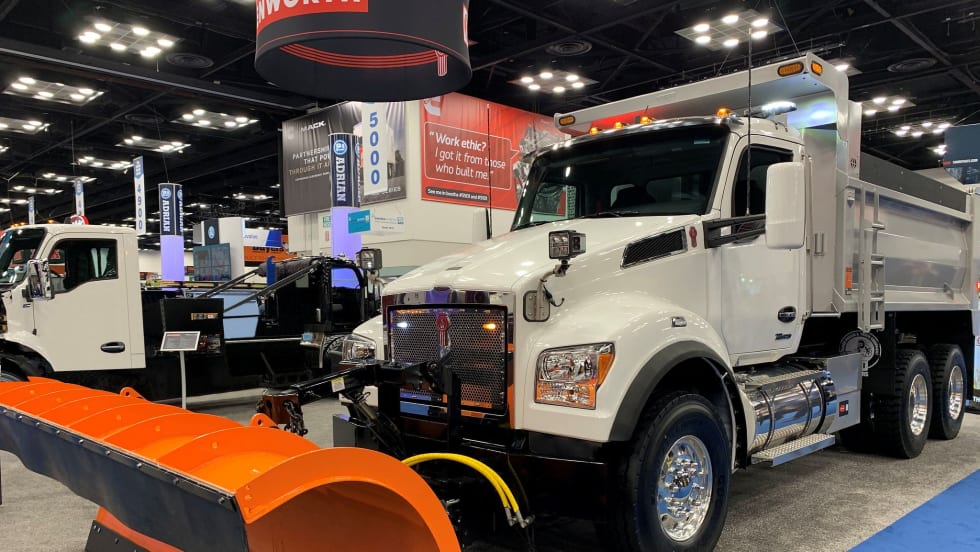
Kenworth Announces Reinforced Front Frame Option for T880 and T880S Models
Kenworth has released a factory-installed reinforced front frame option for T880 models, designed to simplify upfits, cut costs, and speed time to service.
Read More →
Stoughton Rolls Out PureBlue Reefer Trailer, Raises Safety Bar With 40-mph Rear Impact Guard
Stoughton’s new refrigerated trailer platform delivers double-digit efficiency gains while a next-generation rear impact guard exceeds current crash standards.
Read More →
New Lightweight Wheel Cover Targets Simpler Aero Gains [Watch]
Watch to learn how Deflecktor's new wheel cover design is taking a simpler approach to aerodynamics, with an eye toward making it more practical for both trucks and trailers.
Read More →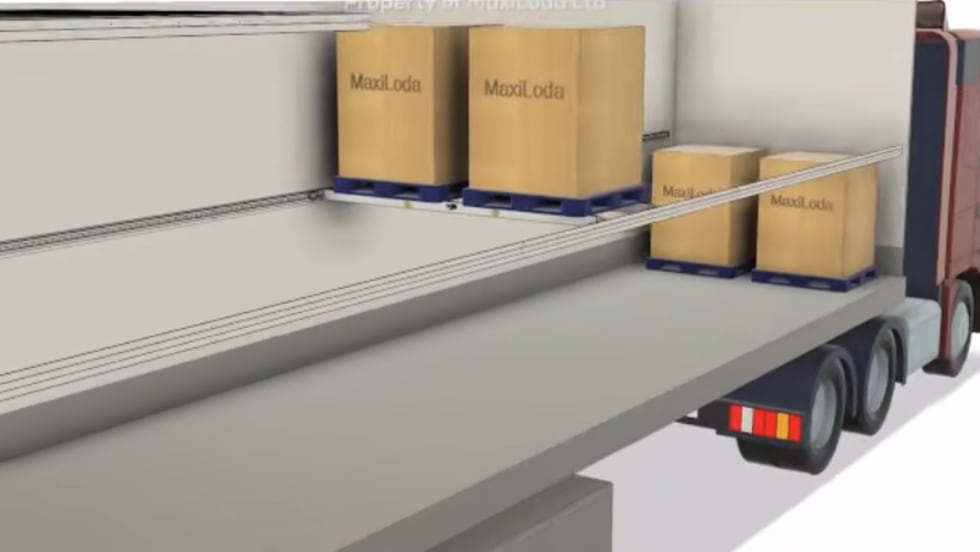
How Maxiloda’s Glide System Unlocks Hidden Trailer Capacity
By turning unused vertical space into usable capacity, Maxiloda’s Glide system helps fleets move more freight per trip while reducing loading risks and equipment damage.
Read More →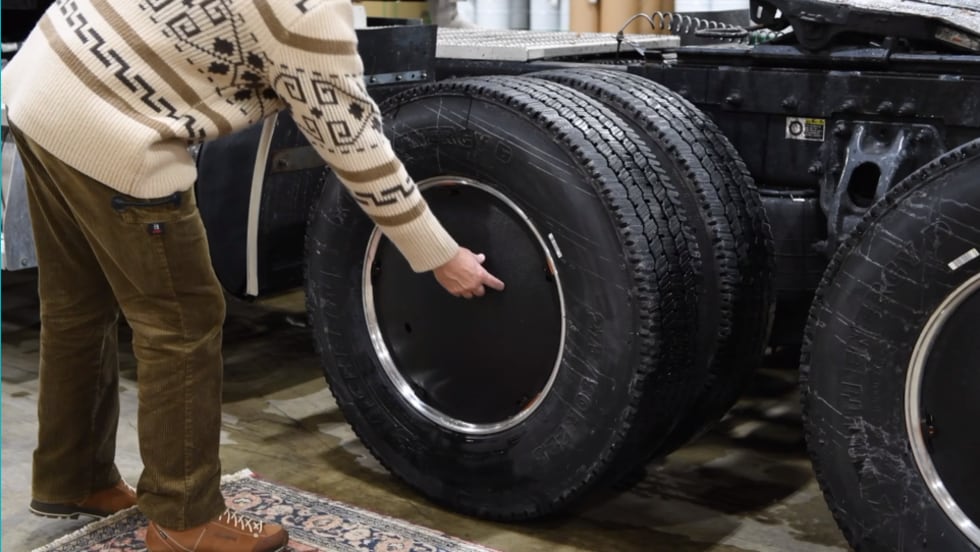
Deflecktor: Hubbub Aerodynamic Wheel Cover Cost-Effective Even for Trailers
Aerodynamic wheel covers can deliver small but meaningful fuel-economy gains for fleets, and Deflecktor says its latest design aims to make the technology easier and more affordable to deploy.
Read More →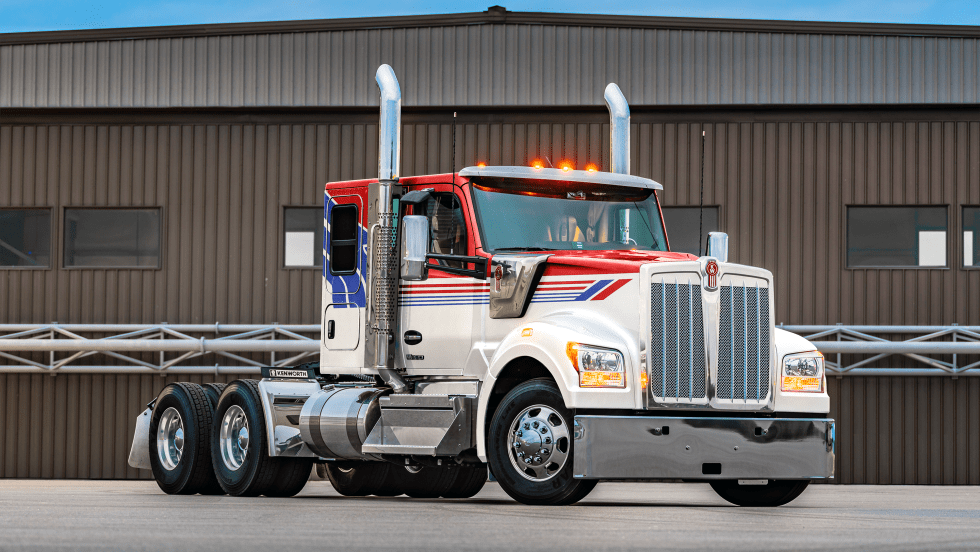
Kenworth Revives Iconic 'TourAmerica' Paint Scheme
Kenworth’s new, limited-edition scheme celebrates trucking heritage while supporting a nationwide mobile museum tour.
Read More →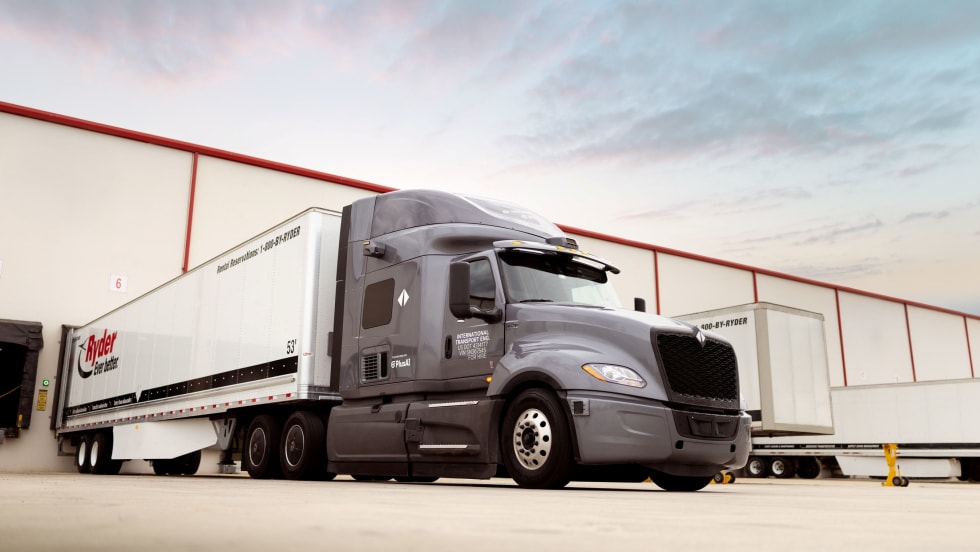
Ryder Joins International’s Autonomous Truck Pilot on Texas Freight Lane
Ryder and International take autonomous trucking out of the lab and onto a live, 600-mile Texas freight lane.
Read More →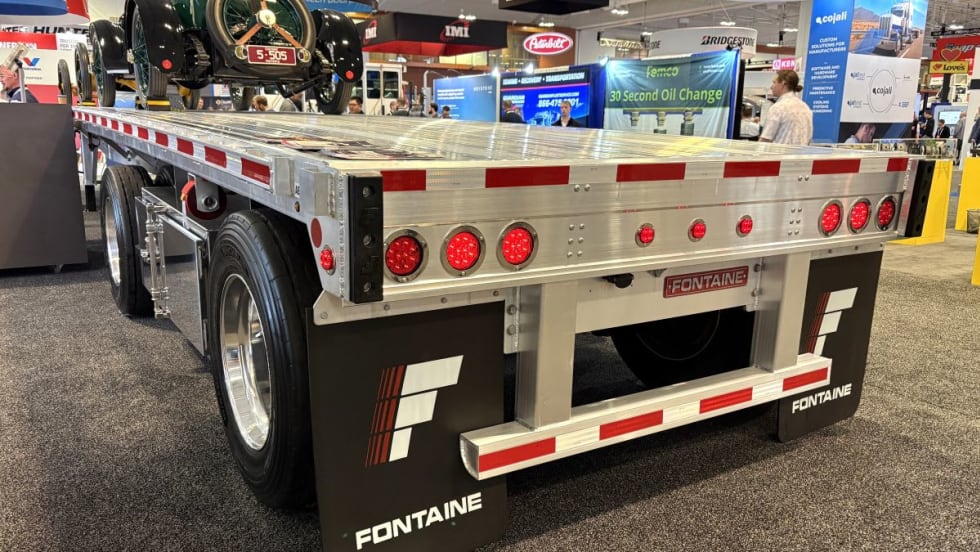
Fontaine Expands Flatbed Lineup with New Fleet-Focused Models, Eyes 2027 Launch
Fontaine is broadening its flatbed lineup with new models aimed at fleets, including a lightweight aluminum trailer expected in 2027 that emphasizes durability, repairability, and lower cost.
Read More →
Fontaine's Fleet-Focused Force Flatbed Prototype [Watch]
A new prototype from Fontaine Trailer focuses on what fleets say they need most: easier repairs, lower maintenance costs, and practical, service-friendly design.
Read More →