




Related: Outlook for Trucking is Stellar, ATA Economist Says
Economic Watch: What Higher Interest Rates May Mean for Trucking
The Federal Reserve signaled its confidence in the economy on Wednesday when raised a key interest rate for the sixth time since 2015 – but this also could lead to trucking companies needing to rethink how they are handling their loans.

Evan Lockridge・Former Business Contributing Editor
3 min to read
The Federal Reserve signaled its confidence in the economy on Wednesday when raised a key interest rate for the sixth time since 2015 – but this also could lead to trucking companies needing to rethink how they are handling their loans.
The Federal Open Market Committee raised the target range for the federal funds rate to 1.5% to 1.75%. This is the interest rate at which banks and credit unions lend reserve balances to other depository institutions for overnight loans. It affects the interest rates on loans and credit cards for both consumers and businesses.
The move put the federal funds rate at its highest level since 2008 and marked the central bank’s first major decision under new Federal Reserve Chairman Jerome Powell.
“Information received since the Federal Open Market Committee met in January indicates that the labor market has continued to strengthen and that economic activity has been rising at a moderate rate,” the Fed said in statement. “Job gains have been strong in recent months, and the unemployment rate has stayed low. Recent data suggest that growth rates of household spending and business fixed investment have moderated from their strong fourth-quarter readings.”
Overall inflation, and inflation for items other than food and energy, have continued to run below the 2% annual rate that the FOMC wants to see. Hoever, the committee believes both will return to that level.
The Fed anticipates it will increase interest rates three more times in 2018. However, it noted the “actual path of the federal funds rate will depend on the economic outlook as informed by incoming data.”
The Fed also raised its 2019 projection, saying it sees the benchmark rate at 2.9%, up from the 2.7% estimate it published in December.
Fed officials also raised their forecast for 2018 U.S GDP annual growth to 2.7% this year, up from the December forecast of 2.5%. The Fed also increased expectations for GDP growth in 2019 to 2.4% from 2.1% in December.
What Does Interest Rate Hike Mean for Trucking Fleets?
With this latest increase in interest rates, trucking companies with floating or variable interest rates may want consider refinancing into a fixed-rate loan, according to Anthony Sasso, head of TD Equipment Finance at TD Bank.
“A fixed-rate loan gives the borrower more certainty in a rising rate environment," he said. “For example, if and when rate increases occur, a borrower’s monthly payment will not be impacted, because they are locked in to a specific amount each month. This also has a positive impact on the company's cash flow.”
Sasso said with further interest rate hikes expected, controlling financing costs is going to be important for logistics companies.
“The good news is, borrowers have a number of choices when it comes to both financing products and partners for trucking equipment because of the long-life cycle of the collateral. Two of the most popular products we recommend in a rising interest rate environment are longer term loans and tax-oriented leases,” he said.
According to Sasso, loans with three- to five-year terms for tractors and seven-plus years for trailers allow companies to bring down the monthly equipment finance cost.
Said said tax-oriented leases enable companies to take advantage of reduced rates that are passed through by the lessor, and in some instances, afford the opportunity to purchase the equipment at the conclusion of the lease at an agreed-upon value at the time of lease origination.
More Fleet Management
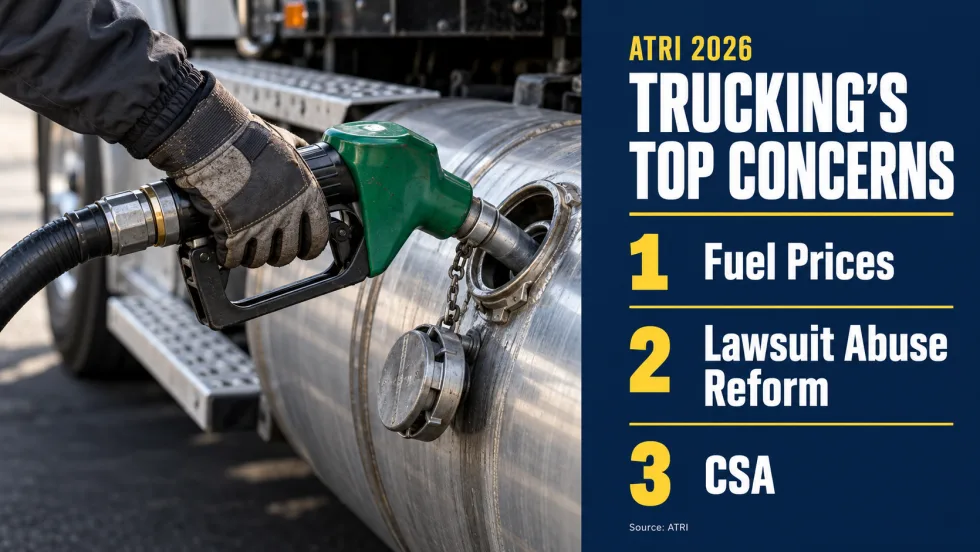
Diesel Prices Hijack Trucking’s Worry List
ATRI’s annual survey finds cautious optimism about freight, but diesel costs, litigation, and insurance continue to squeeze fleets. Drivers have different priorities on several issues.
Read More →
Nomination Deadline Extended for HDT Emerging Leaders
Just a few more days to nominate accomplished trucking fleet professionals under 40 who are making an impact and helping lead the industry forward for the HDT Emerging Leaders award. Deadline extended to October 20!
Read More →
What Will ATA’s New Leader Bring to Trucking's Table?
Incoming President and CEO Mark Colson’s record in Alabama offers clues about his priorities and approach following Chris Spear’s abrupt departure as the head of the American Trucking Associations.
Read More →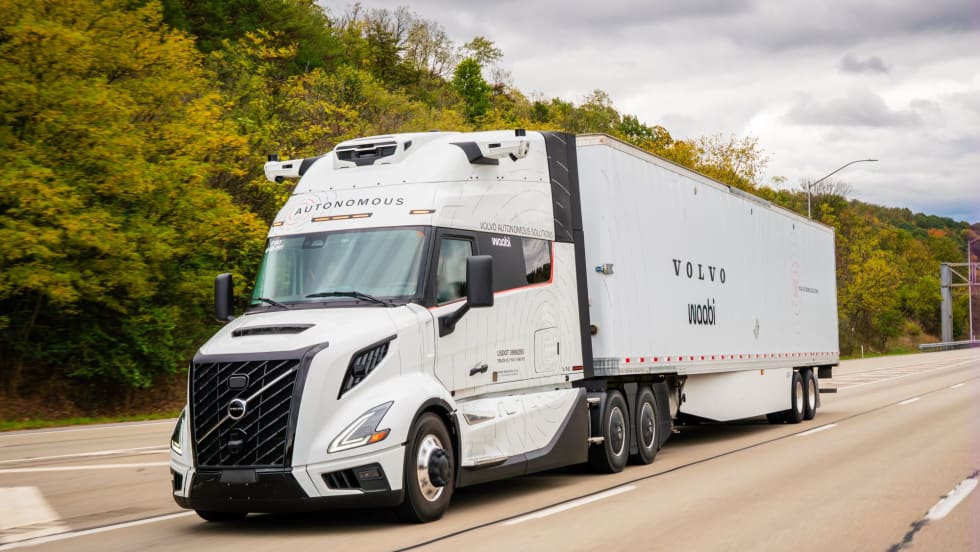
Volvo, Waabi Start Commercial Autonomous Operations in Texas
Volvo VNL Autonomous trucks, powered by the Waabi Driver, are hauling freight directly to third-party facilities for a customer in Texas.
Read More →
Samsara Launches Custom AI Agent Builder
Agent Studio lets fleets create AI tools for hours-of-service monitoring, reporting and driver support, including agents that communicate by phone.
Read More →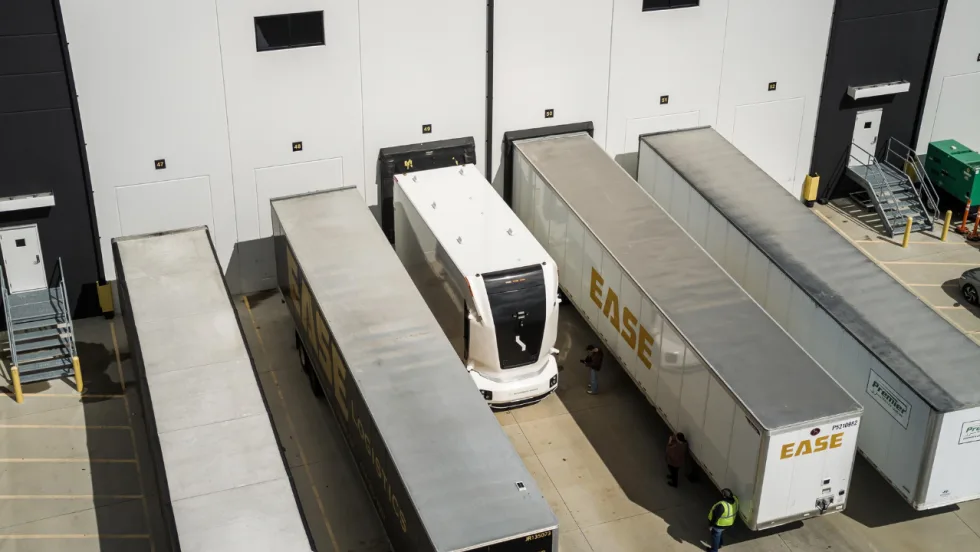
Einride Driverless Electric Trucks Begin Daily Freight Operations in Ohio
Two cabless electric trucks are hauling freight between EASE Logistics facilities in Marysville, Ohio, as part of a multi-state truck automation project.
Read More →
Geotab Links Fleet Card to Vehicle Data
The new card combines fuel discounts with telematics-based purchase controls. Geotab’s analysis also points to potential savings from choosing lower-priced fuel stops.
Read More →
How MFA Helps Protect Trucking Fleets
Multi-factor authentication adds protection when passwords are stolen. Here’s how it works and where fleets should start.
Read More →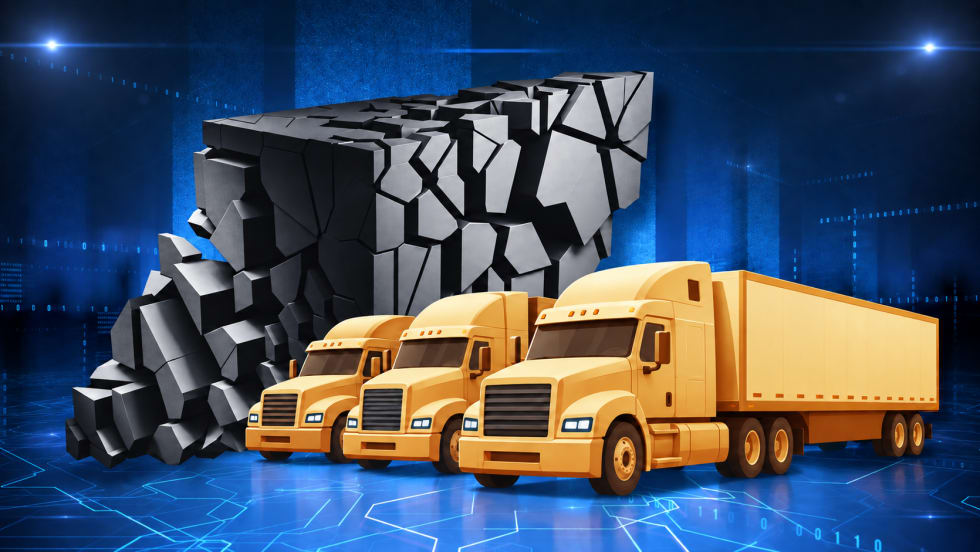
How Better Freight Data Helps Trucking Teams Get Ahead of Disruption
Trucking and logistics teams have plenty of data. The problem is getting the right information in front of the right people soon enough to act. Better-connected data can help teams spot trouble earlier and make smarter decisions before small problems become big ones.
Read More →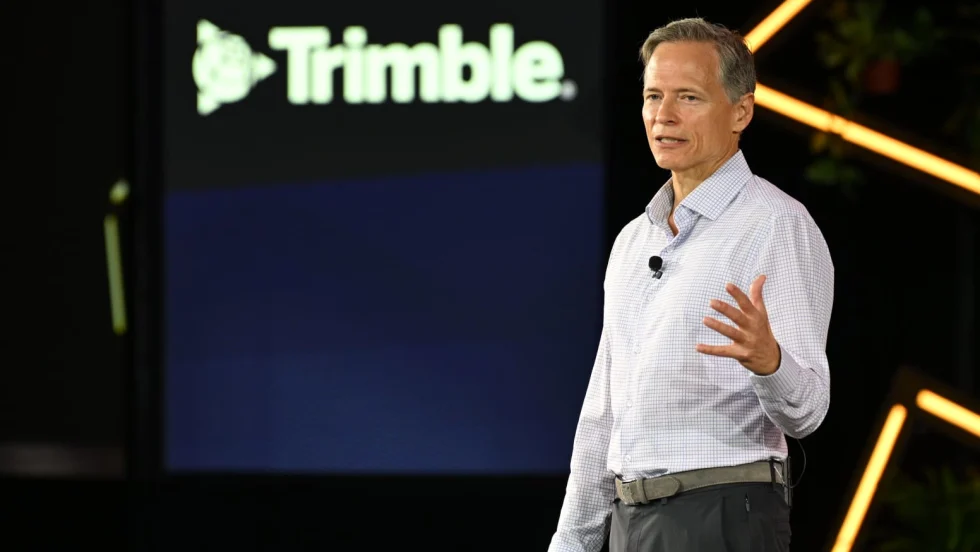
Trimble: Taking Artificial Intelligence in Trucking Beyond Faster Tasks
At Insight 2026, Trimble executives argued that fleets may need to redesign workflows to get more from AI as it introduced new products and enhancements. AI’s value will depend on how fleets combine automation with their people's knowledge.
Read More →