





Congress established a $750,000 insurance minimum for motor carriers back when it deregulated trucking in 1980 — and that number has not been raised since. A new bill in the House of Representatives would increase that minimum to $5 million.
Bill in House Would Raise Minimum Insurance for Motor Carriers to $5 Million
The Fair Compensation for Truck Crash Victims Act would increase insurance requirements for interstate motor carriers by nearly seven times.
April 13, 2026

The cost of medical care risen dramatically since the $750,000 insurance minimum was set in 1980.
Credit:
HDT Graphic
3 min to read
Representatives Jesús “Chuy” García from Illinois and Derek Tran from California introduced the Fair Compensation for Truck Crash Victims Act, which increases insurance requirements for interstate motor carriers.
The Fair Compensation for Truck Crash Victims Act proposes two key changes:
- Increasing the minimum insurance requirement for interstate motor carriers from $750,000 to $5 million. This new minimum accounts for inflation and the current cost of medical care and other expenses, according to the bill’s sponsors.
- Indexing the new minimum insurance requirement to inflation. This provision ensures that financial protection for crash victims does not erode over time, keeping pace with rising health care costs and other expenses.
According to a news release from Garcia’s office, not only has the cost of medical care risen dramatically since the minimum was set in 1980, but increases in the weight and size of trucks have also increased both the number and the fatality rate of crashes.
As Congress continues to consider further road safety legislation, motor carriers should at a minimum be required to carry insurance that adequately covers victims in the event of a crash, according to the bill’s sponsors.
The bill is co-sponsored by Reps. Steve Cohen from Tennessee, John Garamendi and Jared Huffman from California and Hank Johnson from Georgia.
Support for Raising Insurance Minimums
Kate Brown is a board member for the Institute for Safer Trucking (IST), a non-profit committed to helping truck crash victims and survivors throughout the country. Her son Graham was severely injured in a truck crash in 2005. The trucking company only had a $750,000 policy.
“After my son Graham was seriously injured in a truck crash, my family saw firsthand how devastating the financial aftermath can be,” Brown said in a news release. “Even with support and resources, the medical costs were overwhelming. …. It’s time our laws reflect the true impact of these crashes and ensure victims receive fair, just compensation.”
Other groups supporting the bill include:
- Citizens for Reliable and Safe Highways (CRASH)
- Truck Safety Coalition
- Institute for Safer Trucking
- American Association for Justice
- Parents Against Tired Truckers
- Road Safe America
What Does the Research Say?
It's not the first time a bill has been introduced or a regulation has been proposed to raise the insurance minimum.
In the Moving Ahead for Progress in the 21st Century Act, signed into law in 2012, Congress required the Department of Transportation to give it reports every four years on the issue.
Earlier this year, the Federal Motor Carrier Safety Administration sent the latest report to Congress.
That report said since the existing minimum financial responsibility requirements for motor carriers were established in the 1980s, "the landscape of crash costs in excess of the current minimum insurance levels, particularly medical expenses, has evolved, leading to a disparity between current minimums and the actual costs incurred in some fatal and severe/critical injury incidents."
In fatal and severe/critical injury crashes, the resulting damages can significantly exceed the mandated minimum levels of financial responsibility, it noted.
However, it said, it doesn't have the data it truly needs.
"FMCSA faces persistent challenges in comprehensively evaluating the adequacy of these requirements. Most of the published reports and publicly available data sources on the adequacy of current minimum insurance levels are not subject to frequent revisions. This means that there is limited new information or analysis for FMCSA to consider."
In addition, it said, the agency doesn't have access to a great deal of relevant information. For instance, many lawsuits are settled confidentially under non-disclosure agreements. And a significant amount of insurance company data is proprietary.
"Consequently, FMCSA’s ability to provide a thorough assessment of motor carrier financial responsibility requirements is limited."
More Fleet Management

Trucker Path, Truckstop.com Expand Load Access Partnership
An expanded Trucker Path and Truckstop.com integration brings more freight opportunities into the TruckLoads app while emphasizing security and network quality.
Read More →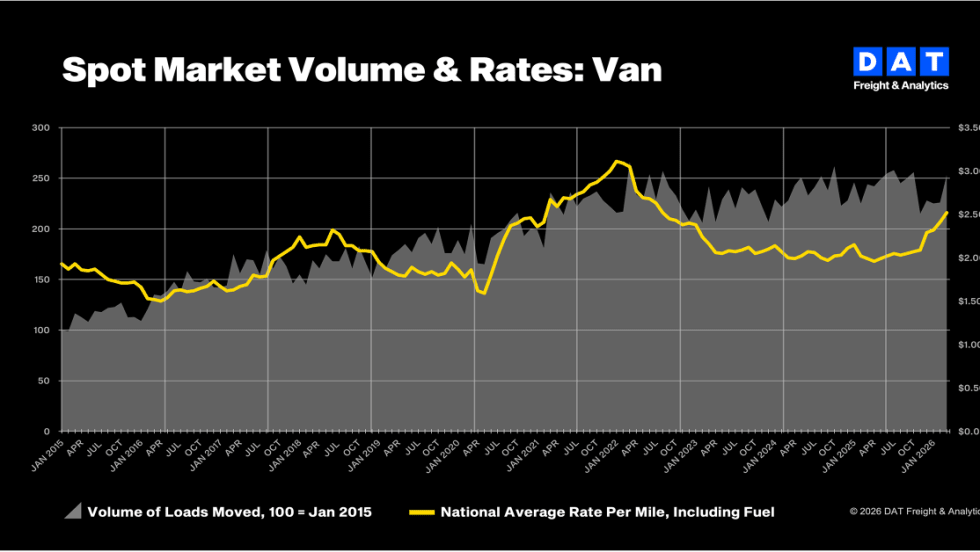
Truckload Rates Hit Two-Year Highs as Diesel Costs Surge, DAT Says
Strong March freight demand combined with a spike in fuel costs pushed both spot and contract truckload rates to their highest levels in more than two years.
Read More →
The AI Conversation You Need to Have with Your TMS Provider
Everyone’s talking about AI — but is your transportation management system actually built for it?
Read More →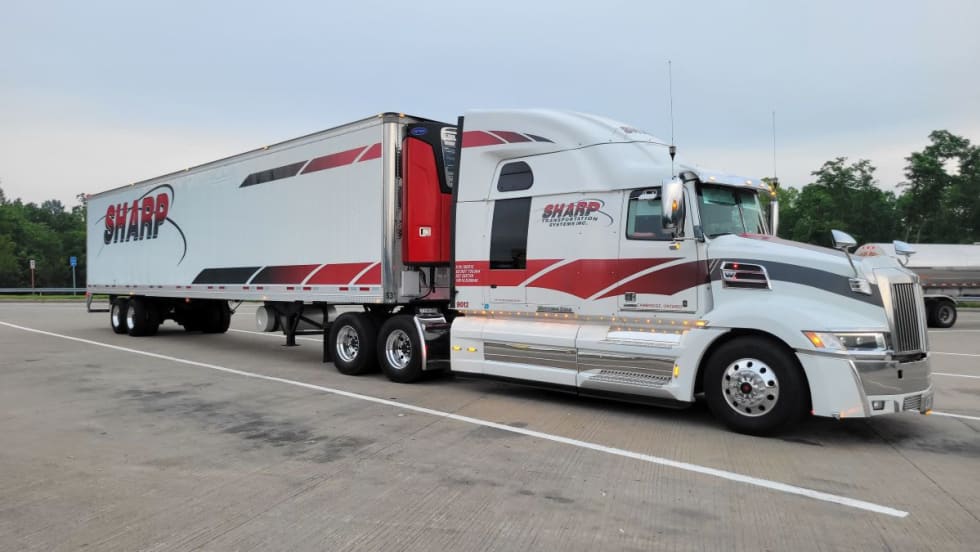
Kriska Buys Fellow Canadian Carrier Sharp Transportation Systems
Being part of KTG will allow Sharp to expand and improve its services.
Read More →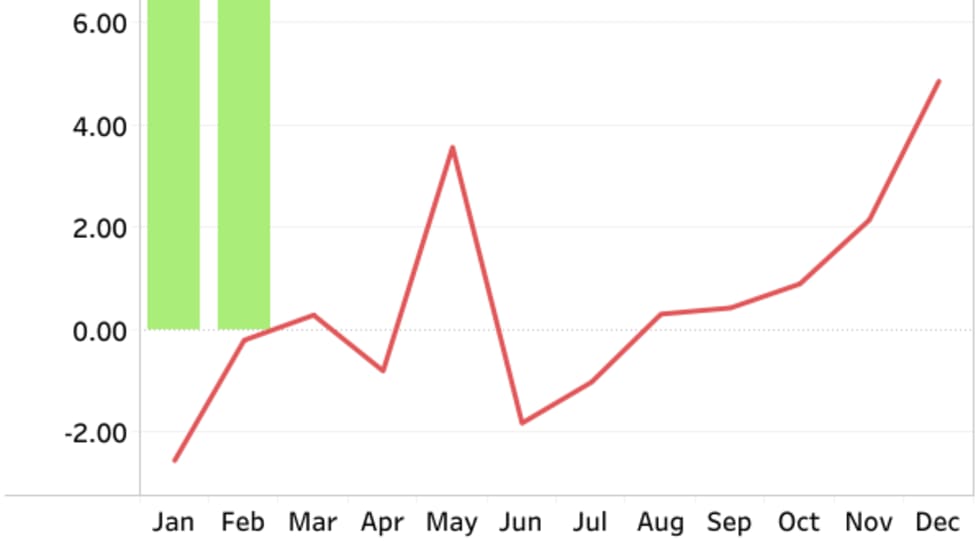
FTR Trucking Conditions Index Hits Four-Year High in February
Strong freight rates push TCI to 10.2, but FTR expects fuel-price volatility to skew March results.
Read More →
C.H. Robinson Offers Carriers Relief as Diesel Prices Surge
C.H. Robinson is waiving fees on fuel cards and cash advances for April and May, aiming to help carriers offset rising diesel costs tied to geopolitical instability.
Read More →
What Trucking Events are Happening in 2026?
Looking for trucking-related conventions, expos, and other events? Heavy Duty Trucking has developed this list of national and larger regional trucking shows and events.
Read More →
Volvo’s Quiet Confidence Turns into a Full-Throated Bet on the Future
After years of steady, methodical progress, Peter Voorhoeve says the OEM’s latest lineup isn’t just evolutionary. It’s delivering real, measurable gains for fleets right now.
Read More →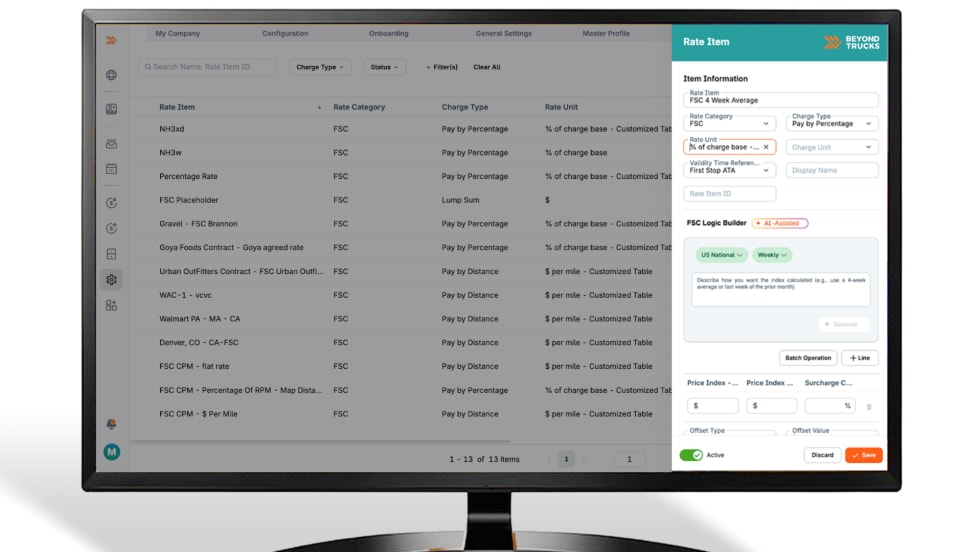
BeyondTrucks Targets Rate Complexity with New AI RateAgents
BeyondTrucks says its new RateAgents can turn plain-language rate logic into working code, starting with fuel surcharges — a critical but notoriously complex piece of carrier revenue.
Read More →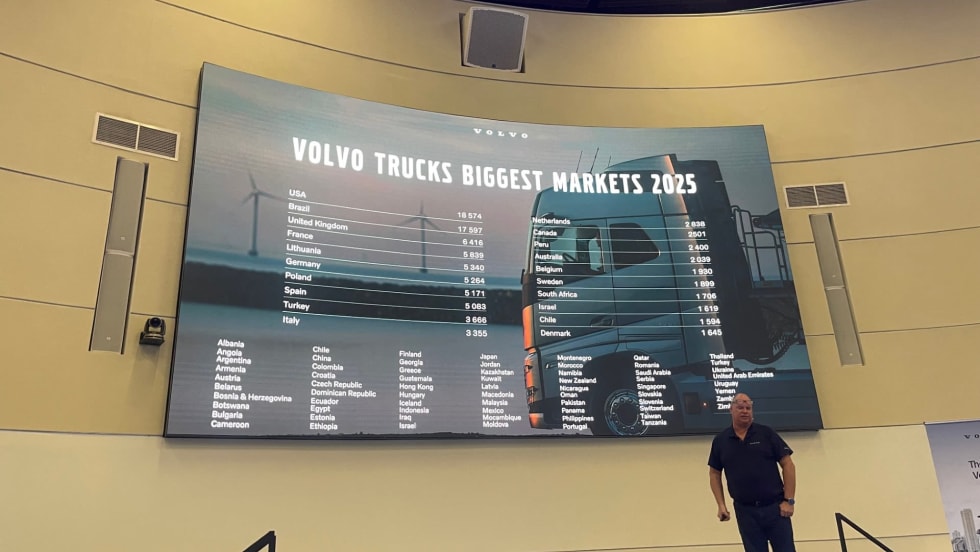
Volvo Sees Market ‘Tipping Point’ as New VNL Orders Surge
Soft freight conditions persist, but aging fleets, strong order intake, and new-product momentum signal a more optimistic second half of 2026, Volvo Trucks North America says.
Read More →