




Dynamic fleet replacement strategies have become increasingly important in recent years. Many fleet operators have worked hard to build plans that give them room to adjust timing, protect capital, and replace assets on their own terms.
The Hidden Cost of Delaying Truck Replacement
Many fleets extended truck replacement cycles during recent market disruptions. But holding equipment too long can lead to higher repair costs, longer downtime, and new operational risks.
by Rob Hoysgaard, Wheels
March 12, 2026
Deferring purchases may seem practical in the moment, especially for fleets waiting for greater market stability or clarity. However, the financial impact of operating assets beyond their intended lifecycles seldom remains hidden for long.
Credit:
HDT Graphic
8 min to read
When markets shift, this type of flexibility creates options that allow fleets to stay aligned with their operational goals rather than reacting to external pressure.
Trucking fleets that have invested in lifecycle discipline, forecasting, and intentional planning are entering today’s environment in a stronger position than they would have a decade ago.
Nevertheless, current market conditions are now testing even the best strategies.
For fleets that delayed purchases during the past three years of supply disruptions, the financial consequences of waiting are starting to surface.
When Deferring Purchases No Longer Makes Sense
A fleet manager recently shared a pattern that reflects a growing trend: Maintenance costs had climbed more than 20% over two years as replacement cycles stretched beyond plan. Operations had not changed, and routes stayed the same.
The only difference? The decision to extend replacement cycles while waiting for market conditions to improve.
Wheels fleet data suggests this is not an isolated case. The challenge is recognizing when deferring purchases no longer makes financial sense. While waiting preserves capital, the initial advantage erodes more quickly than many realize due to rising maintenance costs.
When a truck stays in service beyond five years, maintenance costs increase by roughly 10% each year, according to Wheels fleet lifecycle data, and the total lifetime maintenance spend rises by nearly 49%.
The quest of every fleet is to find the right balance between operational demand and long-term financial health. Yet the current environment is testing even the most well-prepared operators.
The question is not whether to act with caution, but whether caution has quietly shifted into costly inaction.
Truck Supply and Demand Are Still Out of Sync
Replacement cycles have stretched well beyond historical norms. Supply shortages and volatile market conditions over the past three years created a backlog of deferred truck purchases that still hasn’t fully cleared.
Supply and demand have fallen out of sync, and that imbalance is shaping the landscape fleet managers must navigate through 2026 and beyond.
Net truck orders have declined year over year, reflecting continued hesitation among operators waiting for clearer market signals before making long-term commitments. OEM forecasts for 2026 point towards reduced production output as manufacturers adjust to slower intake.
That combination means fewer build slots will likely be available when fleets that delayed purchases eventually return to the market.
The Allocation Advantage
History shows that when uncertainty eases, buying activity often rebounds quickly — sometimes within weeks.
When demand spikes, allocation history becomes a big advantage for a fleet. OEMs typically prioritize customers with consistent ordering patterns or structured replacement programs.
Fleets that step away from the market for extended periods may find themselves waiting behind competitors that maintained steady ordering activity.
The risk is not just delayed purchases; it is the inability to access critical equipment when operations demand it.
For fleets running assets that are seven years old or older, or facing maintenance cost increases over 15% year over year, replacement planning should be treated as urgent rather than optional.
When Waiting Becomes Expensive
Deferring purchases may seem practical in the moment, especially for fleets waiting for greater market stability or clarity. However, the financial impact of operating assets beyond their intended lifecycles seldom remains hidden for long.
Inflation remains one of the biggest challenges facing fleet operators. Trade strategies, material shortages, and uneven global production continue to drive higher parts costs. In some cases, component prices have increased 20% to 30% or more.
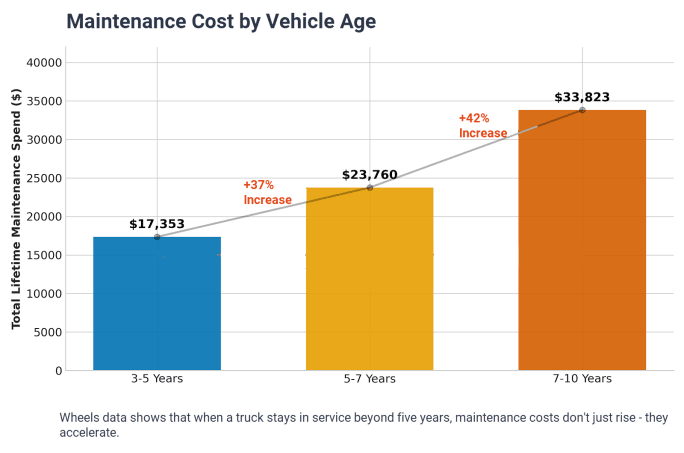
Wheels data illustrates effects on maintenance spend when keeping trucks longer.
Older assets require more frequent repairs, and fleets delaying replacements face steep increases in maintenance spending that compound with each passing quarter.
Lead time variability adds more pressure. Parts availability varies based on region, supplier, and category. A part that previously had a reliable two-day lead time may suddenly require two weeks or more.
When that part supports a critical system, operators lose the ability to plan effectively. Trucks that could have returned to service quickly sit parked, bleeding revenue and testing customer patience.
The Technician Shortage Adds Structural Pressure
The ongoing diesel technician shortage compounds every other challenge fleets face.
Experienced diesel technicians are retiring faster than new workers entering the field, and the gap is widening. The U.S. Bureau of Labor Statistics projects about 28,000 new technician openings each year over the next decade, yet technical schools graduated fewer than 11,000 diesel technicians in 2023.
That leaves an annual shortfall of approximately 17,000 technicians, a gap expected to grow as retirements accelerate.
The impact is clear: Repairs take longer, service backlogs grow, and labor costs increase. Because older assets need more frequent attention, fleets holding equipment longer are disproportionately affected.
A recent industry study found that 65.5% of diesel repair shops were understaffed in 2025, with an average of 19.3% of positions unfilled.
According to the 2025 National Private Truck Council Benchmarking Survey Report, the average breakdown now takes 20 hours to resolve, nearly a third longer than the previous year’s 15.8-hour average.
For fleets, longer repair times mean extended downtime, delayed shipments, and increased risk of damaging customer relationships.
For fleets competing on service quality, this creates a hidden competitive risk. Companies maintaining newer, more reliable equipment can market that advantage, potentially winning contracts from competitors struggling with aging assets and chronic availability issues.
Regulatory Pressure and the Shift Toward EPA 2027
Upcoming EPA 2027 NOx emissions standards add another layer of complexity to fleet replacement planning.
Although final warranty requirements and compliance details of the regulation continue to evolve, the broader reality is clear: Engines built to meet future standards will cost more to produce.
As manufacturers prepare for the transition, the availability of trucks built to current specifications will decline quickly. Additional emissions hardware, increased vehicle weight, and tighter packaging constraints will influence truck design well beyond 2027.
Once this technology becomes standard across the industry (likely by late 2026 or early 2027), opportunities to purchase trucks built to current specifications will shrink rapidly.
4 Strategies for Managing Uncertainty
Despite current market challenges, fleets still have opportunities to act strategically.
The ability to adjust replacement timing, secure build slots before the market tightens, and leverage multiple acquisition models allows operators to manage through uncertainty rather than merely react to it.
Ordering new assets at the right moment becomes a proactive strategy rather than a forced response.
1. Explore Flexible Acquisition Models
Acquisition does not have to mean full ownership.
Flexible acquisition models, such as unbundled leasing, help fleets clearly understand their true asset and service costs, creating a more informed decision-making process.
By separating the asset from optional services such as maintenance, fleets can align each element to their operational needs, keep equipment current, and avoid both the full financial burden of ownership and paying for services that may not add value.
For example, some fleet management companies have programs that allow customers the option to blend leasing and ownership to create a balanced fleet. High-mileage routes may benefit from leased assets with predictable maintenance. Specialized assets may remain owned and managed through targeted lifecycle planning.
The goal is not to commit to a single model, but to build a diversified strategy that adjusts as economic conditions shift.
2. Develop a Replacement Cadence Based on Data
A planned replacement cadence removes emotion from capital decisions. It ties decisions to asset performance, uptime data, and long-term cost curves.
Fleets adopting this model maintain healthier equipment, reduce emergency repairs, and avoid being swept up in market-wide buying surges.
Replacement tiers can help align cycles with operational realities:
- High-utilization assets: shorter replacement cycles
- Regional or seasonal assets: medium cycles
- Specialized equipment: customized cycles based on usage patterns
This structure provides control over capital planning and ensures the fleet does not age into a period of constrained supply.
3. Use Diagnostics and Telematics to Anticipate Failures
Modern trucks generate meaningful data through fault codes, fuel trends, and performance insights. Fleets that actively monitor and analyze this data can catch small problems before they become more significant (and costly).
Predictive maintenance protects uptime far more effectively than reactive repairs. Set up rule-based automated alerts and use your vehicle data to uncover trends that can guide early intervention.
This creates a maintenance culture defined by prevention rather than recovery, keeping assets running and customers satisfied.
4. Make Preventive Maintenance Non-Negotiable
A disciplined maintenance program helps fleets stay ahead of wear, avoid surprise failures, and extend asset life.
Clear service schedules, standardized procedures, and consistent follow-through help fleets reduce unexpected failures while extending asset life — without pushing equipment beyond its economic limits.
For fleets that lack sufficient in-house maintenance capacity, outsourced service networks can provide broader access to technicians and service locations. These networks can also offer visibility into regional pricing trends and parts availability.
What Fleet Leaders Should Do Next
Fleets do not need perfect clarity about the future to build strategies that protect uptime and control costs.
Smart planning starts with realistic risk assessment:
- How old is your fleet?
- What are your maintenance cost trends?
- How exposed are you to parts availability issues or technician shortages?
Evaluating acquisition and service programs adds flexibility. Modeling replacement timelines across different scenarios (demand spikes, extended lead times, regulatory transitions) prepares operators for shifts beyond their control. Working with experienced fleet advisors can help interpret market signals, weigh tradeoffs, and shape strategies that hold up under pressure.
Standing still in the current environment carries real costs. The costs of inaction — higher maintenance, more downtime, and declining customer service — can add up while market windows narrow.
A proactive, data-driven replacement strategy allows fleets to balance caution with forward momentum, even when market conditions feel unsettled.
Operators that maintain disciplined replacement strategies are better positioned to stay competitive. Those who wait for perfect clarity may find themselves locked out of allocation, burdened with aging equipment, and watching opportunities pass to better-prepared competitors.
The question is not whether the road ahead looks uncertain, but how much flexibility your fleet operation can deliver when conditions shift.
The fleets that thrive will be those that treat replacement planning not as a reactive necessity, but as a strategic operational advantage.

Rob Hoysgaard
Credit:
Wheels
About the Author: Rob Hoysgaard is vice president of truck and equipment at Wheels and has more than 25 years of experience in the truck and equipment industry.
This article was authored and edited according to Heavy Duty Trucking’s editorial standards and style to provide useful information to our readers. Opinions expressed may not reflect those of HDT.
Subscribe to Our Newsletter
More Equipment
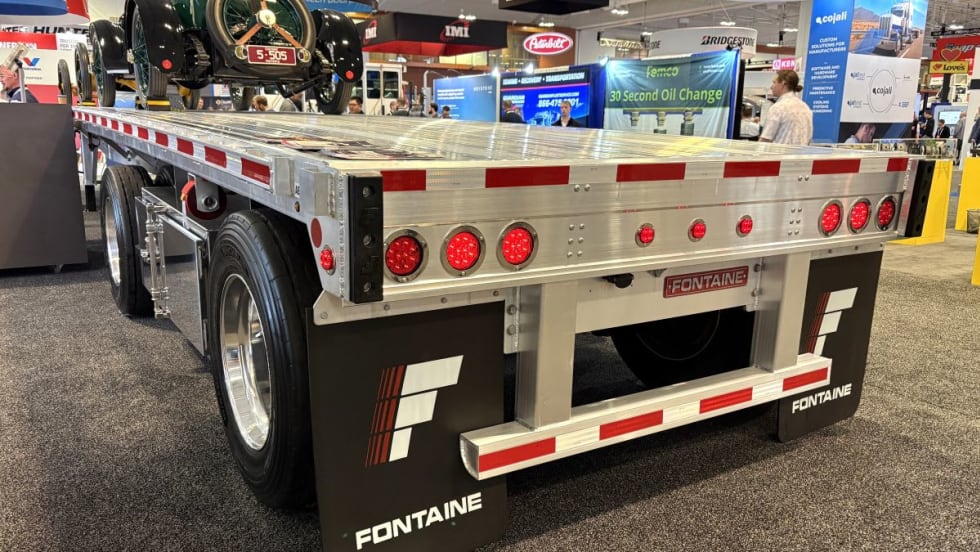
Fontaine Expands Flatbed Lineup with New Fleet-Focused Models, Eyes 2027 Launch
Fontaine is broadening its flatbed lineup with new models aimed at fleets, including a lightweight aluminum trailer expected in 2027 that emphasizes durability, repairability, and lower cost.
Read More →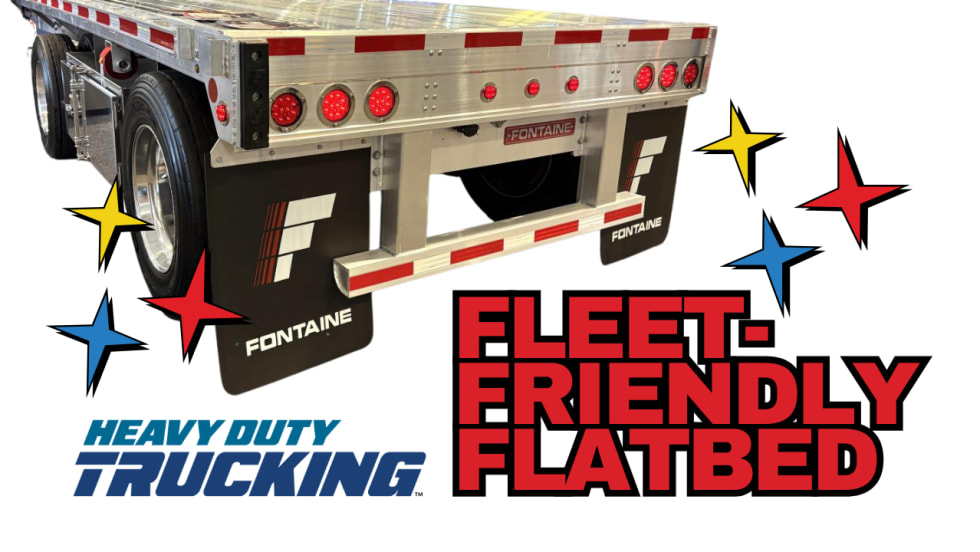
Fontaine's Fleet-Focused Force Flatbed Prototype [Watch]
A new prototype from Fontaine Trailer focuses on what fleets say they need most: easier repairs, lower maintenance costs, and practical, service-friendly design.
Read More →
From Long Haul to Short Loops: The New Math Behind Day Cabs
As warehouse networks expand, predictable regional routes are replacing long-haul runs—reshaping how fleets spec, operate, and resell day cabs.
Read More →
Hyundai Translead Bringing Trailer Production to U.S.
The new Hyundai Translead production sites will improve trailer and body delivery to customers by reducing lead times and leveraging a growing dealer network.
Read More →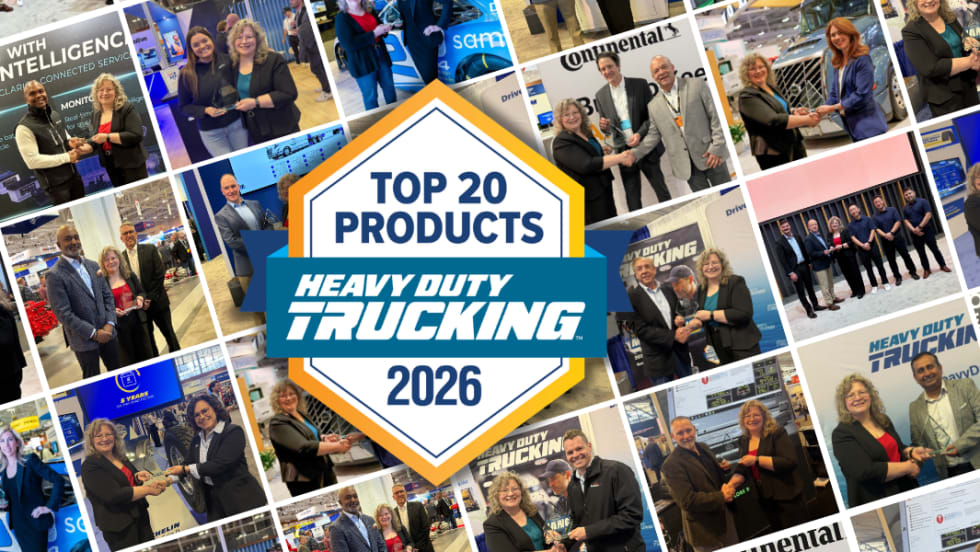
HDT Honors the Best New Products of 2025 at TMC [Photos]
Heavy Duty Trucking's Top 20 Products awards recognize the best new products and technologies. Check out the award presentations at the 2026 Technology & Maintenance Council annual meeting.
Read More →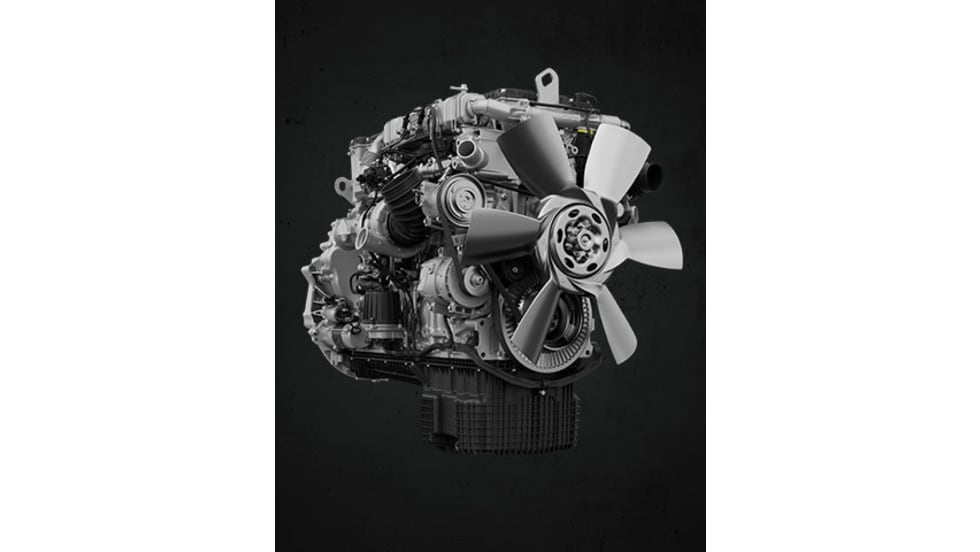
Sponsored•March 31, 2026
Detroit Engines: Trusted Performance, Built for What's Next
The Detroit® Gen 6 engine platform proves that real progress doesn’t require a complete redesign. Built on 20 years of trusted technology, these engines are designed for efficiency, stronger performance, and greater reliability than before. And they do it all while complying with 2027 EPA standards on every mile.
Read More →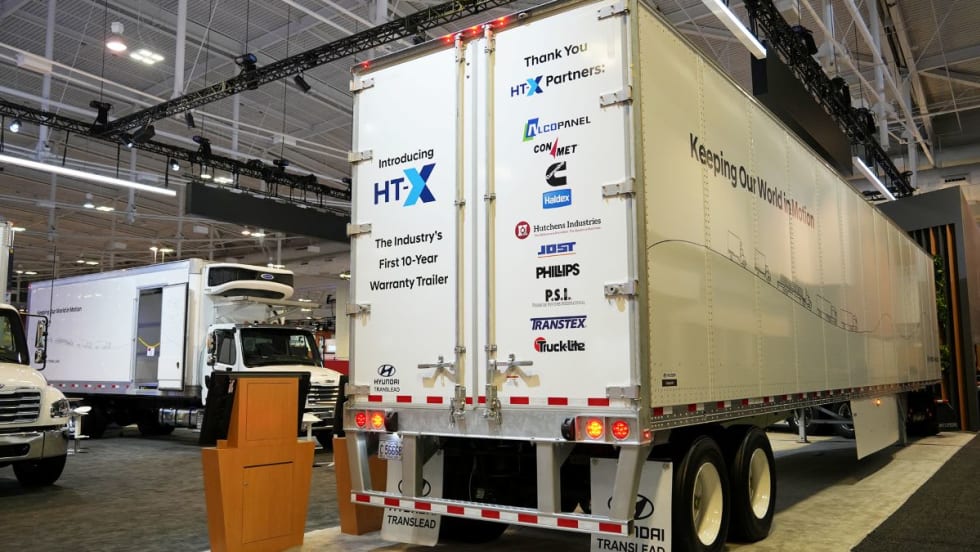
Hyundai Translead Expands Trailer Tech, Introduces Long-Life Dry Van, New Refrigerated Body
Smart safety systems, AI-powered visibility, a 10-year-warranty dry van, and a modular refrigerated body debuted at TMC.
Read More →
EPA Targets DEF Sensor Failures Behind Truck Derates
New guidance allows engine makers to replace problematic DEF sensors with NOx-based systems, aiming to reduce unnecessary derates and downtime caused by failures in the sensors designed to monitor diesel exhaust fluid on trucks.
Read More →
Heavy Duty Trucking is Searching for the Top Green Fleets of 2026
Is your company a leader in sustainability efforts among trucking fleets? If so, Heavy Duty Trucking's editors want to hear from you.
Read More →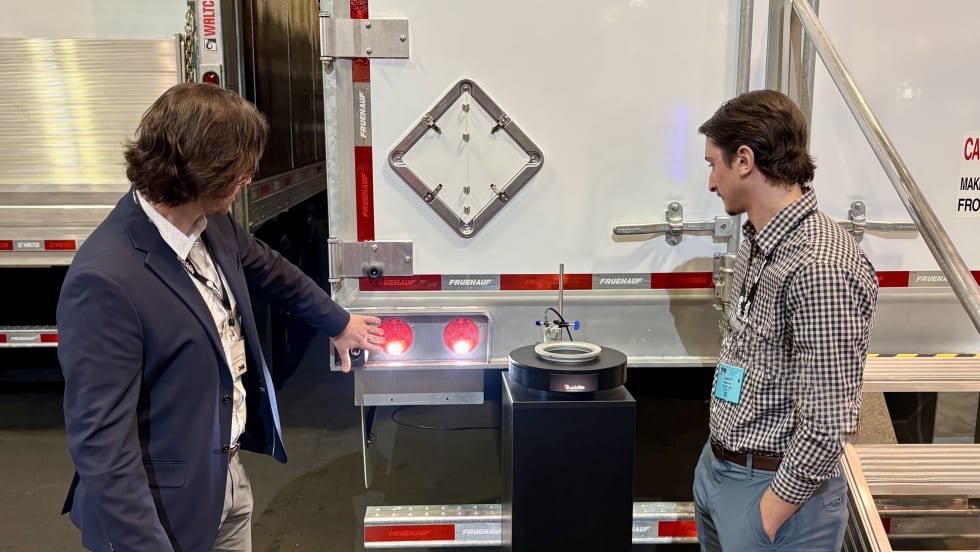
Clarience Technologies Expands Safety and Visibility Portfolio at TMC
From advanced connectivity to AI-powered cameras and next-gen fuel filtration, Clarience companies outlined a roadmap for safer, more connected trailers at TMC’s Annual Meeting.
Read More →