




Great American Trucks: The GMC CCGW 'Deuce and a Half'
Allied planners knew logistics were critical for waging modern war. And GMC had the perfect truck for the job.

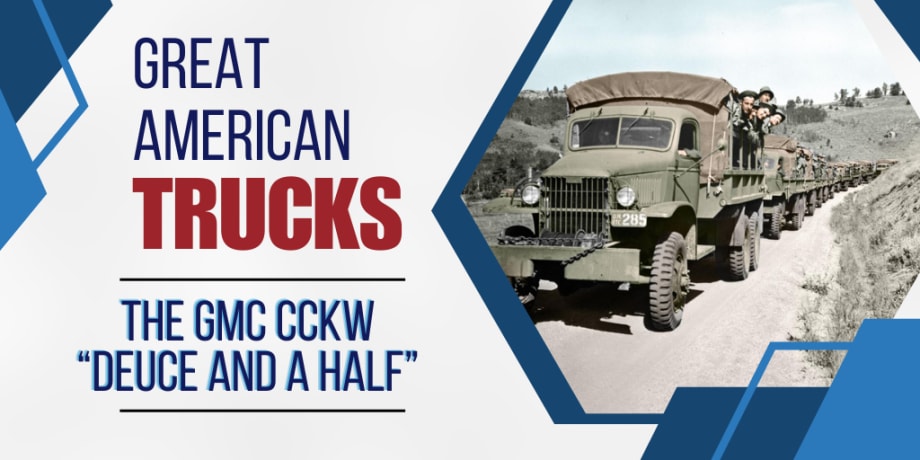
Based on a prewar civilian design, the GMC CCKW became the most produced cargo truck of the Second World War.
Photo: U.S. Army Signal Corps
Napoleon understood that an army moves on its stomach. So, too, did U.S. military planners in World War II.
The Germans began the war with a Blitzkrieg attack that relied on mechanized columns of armor to break through enemy lines and advance at unprecedented speed against disorganized resistance.
The shock of massed armor served the Germans well in the early years of the war. And it gave rise to a myth that still persists today: That the Germans were a fully modern army powered by motorized vehicles.
It was true that the German Army was fully mechanized at the very forefront of its forces. But the logistical train supporting those units was still hopelessly mired in the previous century.
The Germans relied heavily on horse-drawn wagons and railroads to supply its armies in the field.
It was a fatal flaw, and one that only grew worse as the Germans conquered more and more territory and their supply lines became dangerously over-extended.
A Capable, Adaptable and Tough Truck
American military planners, on the other hand, fully understand the power of modern, motorized logistics.
This was largely due to the geographical nature of the United States.
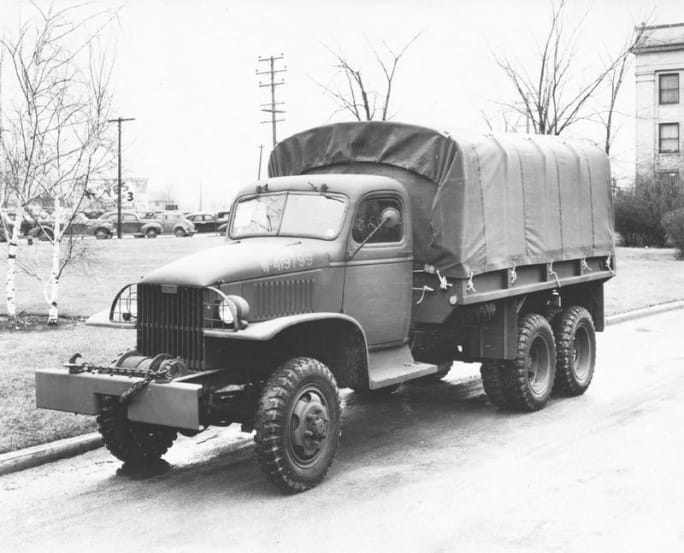
The first-generation CCKW's all-metal cab was discontinued in 1944 in favor of a canvas roof and doors.
U.S. Army Signal Corps
While long-haul trucking as we know it today didn’t exist yet, trucks were already an indispensable component of American life. Private citizens and businesses alike used trucks daily to move goods.
Moreover, U.S. military planners recognized that the American automotive industry possessed the capability to mass-produce trucks in staggering numbers. American trucks would power not only the U.S. military in World War II, but the armies of the Soviet Union, Great Britain, and Canada, as well.
But what the Army needed was a truck it could depend on in such a vital role.
It required a truck that could haul 2-1/2 tons of cargo in all weather conditions and off-road terrain. The truck needed to be simple to drive, simple to maintain, and simple to repair. It needed to be unrelentingly tough and highly adaptable.
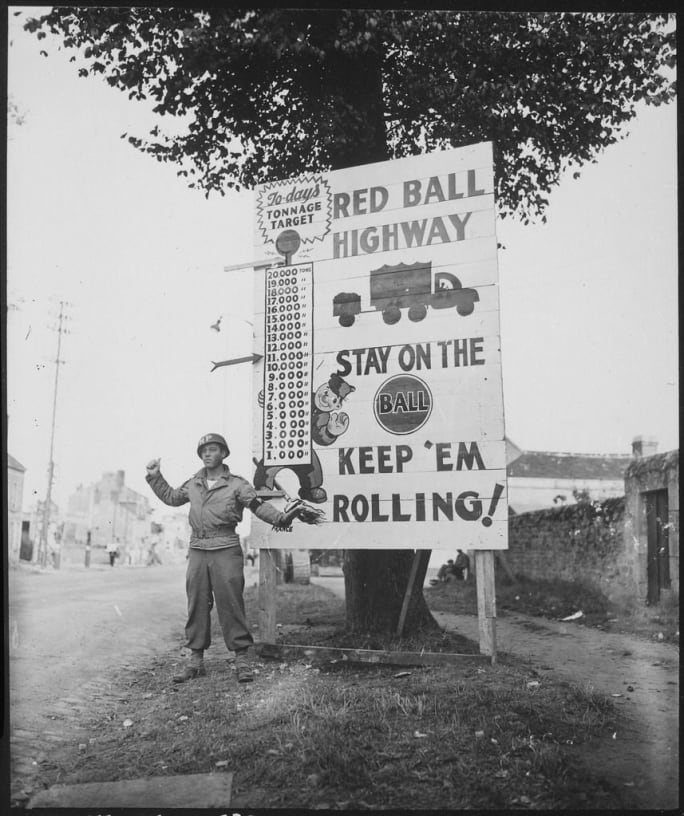
The Red Ball Express' Jimmys moved freight in all weather and around the clock to keep American forces pressing hard against the Germans.
U.S. Army Signal Corps
Luckily, General Motors was already working on a highly promising vehicle. In 1939, it had started supplying the French army with militarized, four-wheel-drive versions of its commercial trucks.
Building on that design, GM engineers designed a larger truck with a six-by-six drive. The truck featured a ladder-frame chassis with two wheelbases. The short Model 352 was a 145-inch wheelbase used with a smaller cargo box. It was primarily for towing artillery pieces. All other models featured a 164-inch wheelbase.
Initially, all versions used a militarized General Motors AK series, enclosed cab with a metal roof and doors.
But by 1944, GMC was producing an open-cab design with a canvas roof and doors. This model was not only quicker and easier to build, but the roof could also be removed entirely to lower the truck’s shipping height. Additionally, the open cab setup allowed for a heavy machine gun mount to be positioned over the passenger seat.
But the truck’s ladder-style frame also gave it unmatched adaptability. In fact, the model allowed the widest array of bodies of any truck then in military service.
A standard rectangular van body was used for ambulances, communication vehicles and other roles. However, the truck could be configured for anything a mobile army in the field might need. That included mobile dental operating vans, surgical vans, welder’s trucks, water purification trucks, and fire engines.
Power was supplied by GM’s tried-and-true 270 straight-six gasoline engine. The overhead value design churned out a usable 104 horsepower at 2,750 rpm. But above all else, it was a virtually bulletproof design that was easy to maintain and service in the field.
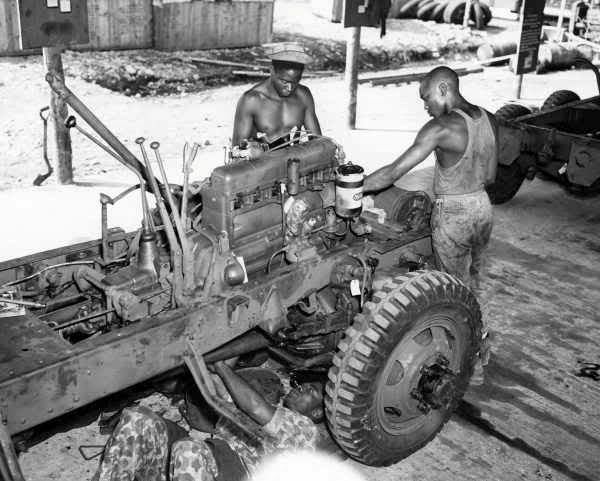
The Deuce and a Half's straight-six GM 270 gasoline engine was easy to repair in the field.
U.S. Army Signal Corps
A Warner T93, five-speed gearbox was standard. This unit featured a direct 4th gear with 5th gear being overdrive. The all-wheel drive transfer case featured both high and low gears.
American Mass Production Steps Up
The CCKW began production at General Motors’ Yellow Truck and Coach plant in Pontiac, Michigan. The trucks were also manufactured at Chevrolet’s St. Louis, Missouri, plant as demand intensified after the attack on Pearl Harbor in December 1941.
The U.S. military didn’t usually honor lowly cargo trucks with flashy model names in those days. Although the truck’s official CCKW designation did provide some basic information about the truck:
C – 1941 design
C – conventional cab model
K – all-wheel drive
W – dual rear axles.
But “CCKW” didn’t exactly roll off the tongue. So, naturally, American GIs began casting about for something familiar to call the ubiquitous truck.
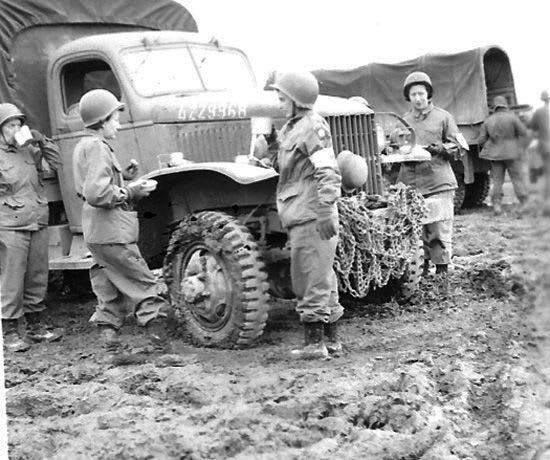
U.S. Army nurses enlist a GMC Jimmy as a makeshift dinner table, somewhere in Europe.
U.S. Army Signal Corps
The truck’s Army designation number was G-508. That, along with its GMC brand-name, prompted nickname-inclined American servicemen to start calling the truck “the Jimmy.”
But the truck’s two-and-a-half-ton cargo capacity also earned it the name “deuce and Half.” And that name stuck.
Eventually, “deuce and a half” would become a generic term for any military cargo truck, regardless of manufacturer. But the CCKW was the original vehicle to bear the nickname.
Regardless of what it was called, the truck was a hit.
Because it was offered in so many variants, definitive numbers are difficult to determine. But at least 572,000 units were built during the war. In fact, the Jimmy was second only to the mighty Ford-Willys Jeep in total numbers of vehicles built during World War II.
The CCKW was exactly the right truck at the right time for Allied armies all over the world. It was easy to drive with minimal training and featured exceptional off-road capability. The truck was equally at home in the African desert, on a narrow Belgian roadway, or on a twisting trail hacked out of the Burmese jungle.
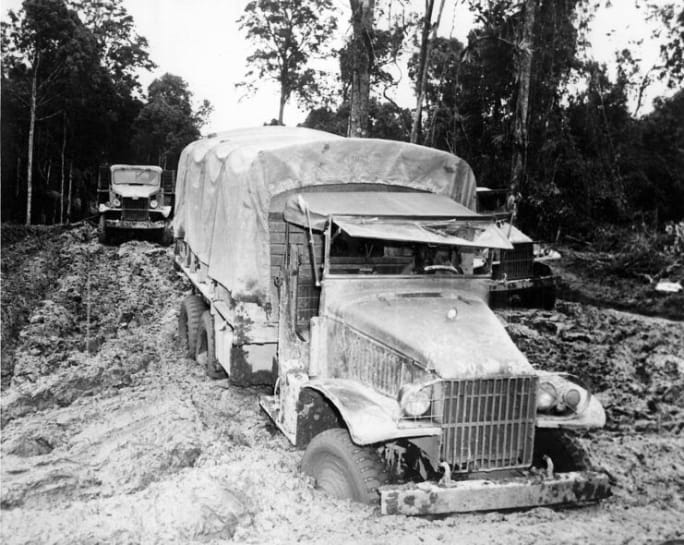
A heavily laden Deuce and a Half slogs through heavy mud somewhere in France in 1944.
U.S. Army Signal Corps
Thousands of CCKWs rolled ashore in the days following the Invasion of Normandy on June 6, 1944. And the truck became the backbone of the famous Red Ball Express – a corps of African American military truck drivers who kept General Patton’s high-speed armored advance into Germany proper supplied with food, ammunition, and other critical supplies.
The CCKW wasn’t a comfortable truck. This was the Army, after all. So, drivers tended to freeze in the winter and fry in the summer. And if it rained, they got wet.
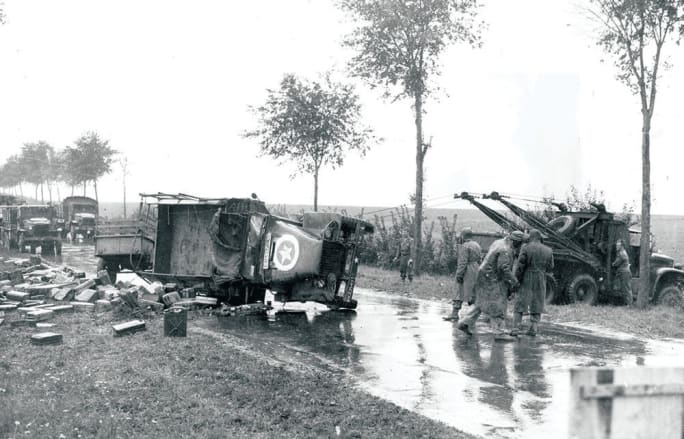
Accidents were common as the Red Ball Express rushed badly needed supplies to the frontlines in Europe in 1944 and 1945.
U.S. Army Signal Corps
But the truck they were driving was as reliable as anything in the world at the time. It saw action on every front around the world. It was everything great about American automotive manufacturing capabilities at the time distilled down into a single-purpose design. And it became an essential component in the Allied victory against fascism worldwide.
More Equipment
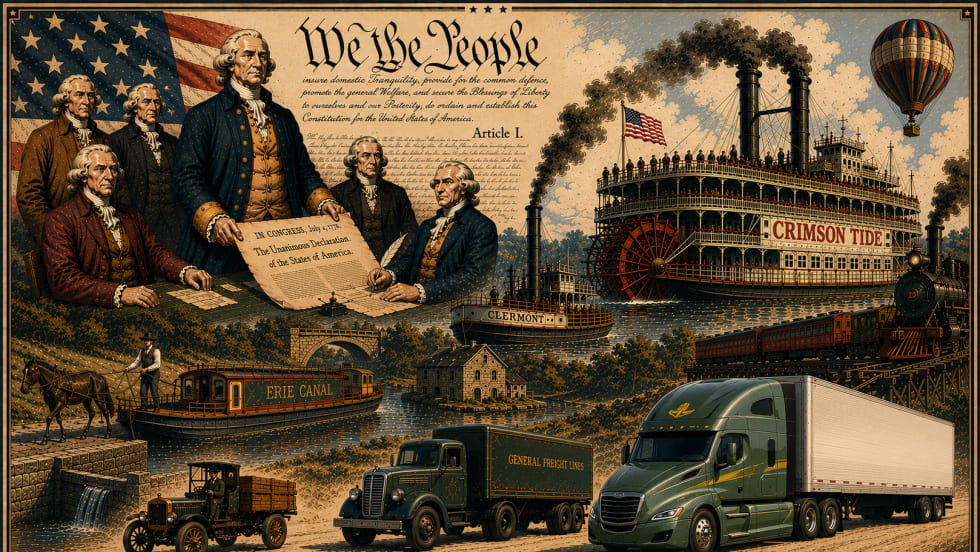
America at 250: How the Truck Helped Connect a Continent
America was founded on revolutionary ideas, but it was built by movement. For 250 years, the nation has depended on ever-better ways to move people, products, and prosperity across a vast continent. No machine has carried that mission further — or more faithfully — than the truck.
Read More →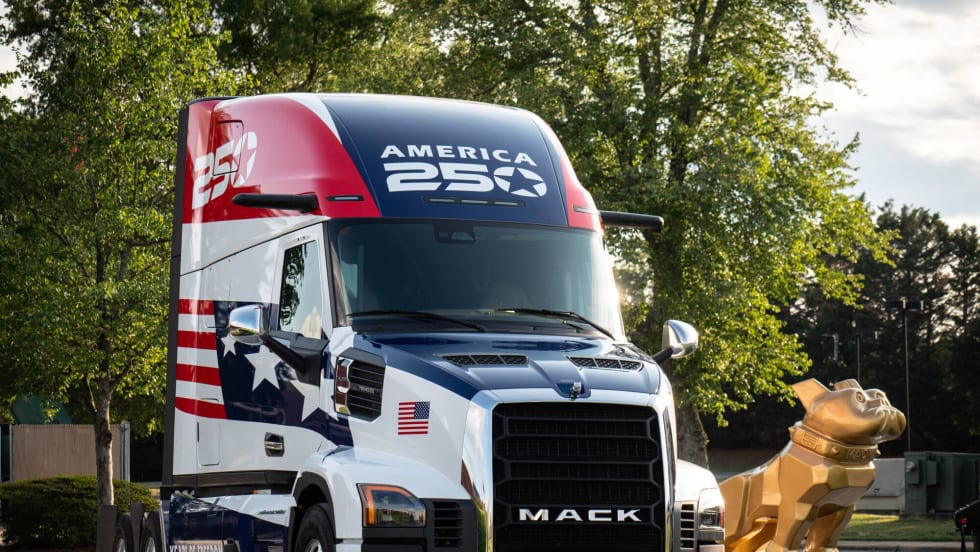
Mack Unveils America 250 Tribute Truck to Celebrate Nation's Semiquincentennial
Just in time for the Fourth of July! Mack unveils a brand-new patriotic, limited-edition, red, white, and blue truck wrap.
Read More →
Enhance Fleet Performance with High-Efficiency Auxiliary Power Units
Drive sustainable cost savings while increasing driver comfort during short- and long-haul logistics operations.
Read More →
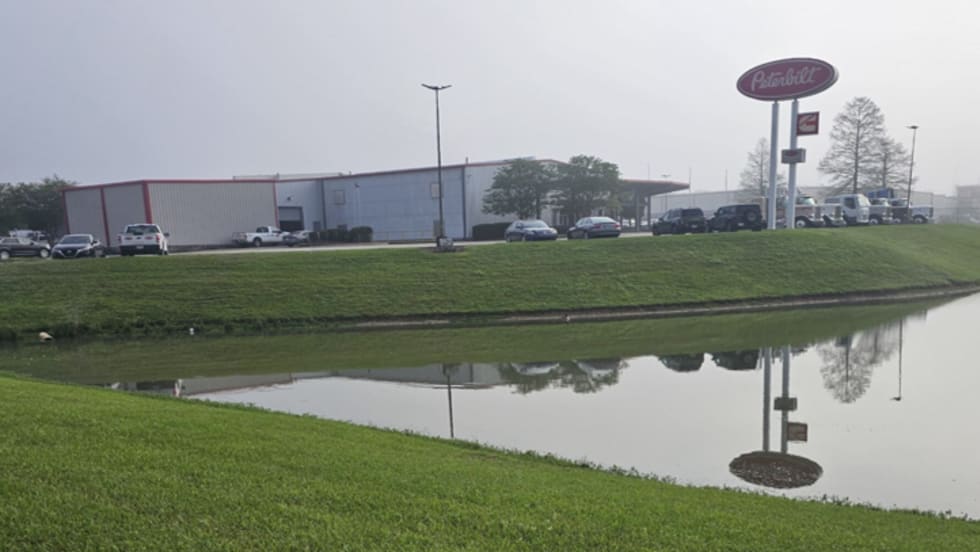
Rush Expands Gulf Coast Peterbilt Network With Louisiana Acquisition
The expanded Rush network gives fleets additional sales, service, leasing and collision repair support across Louisiana's major trucking markets.
Read More →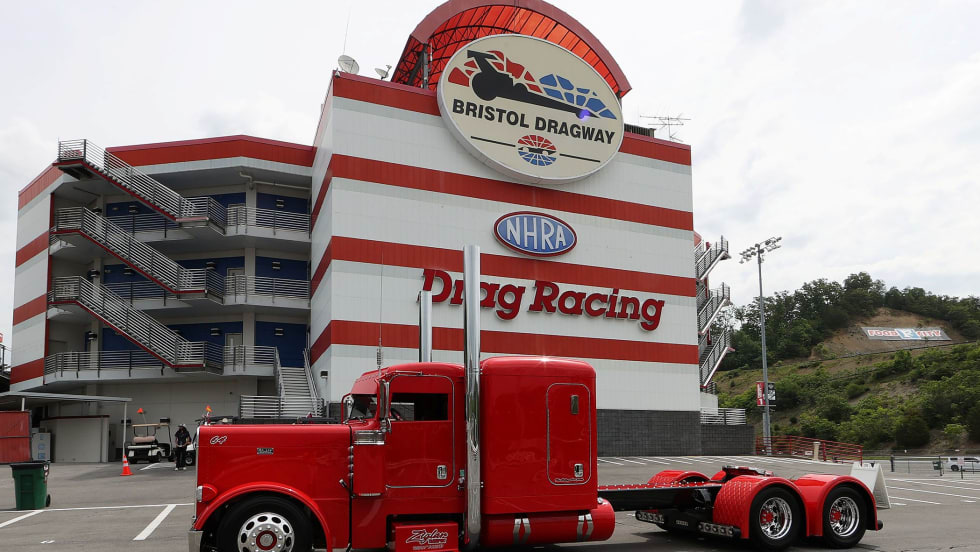
Photos: Shell SuperRigs Light Up Bristol Tennessee
Kenny Ziglar II of Rawlins, Wyo., captured Best of Show honors for the second consecutive year with his 2007 Peterbilt 379, nicknamed “Scrapin By,” at the 44th Annual Shell Rotella SuperRigs competition held June 25-27 at Bristol Motor Speedway in Bristol, Tenn.
Read More →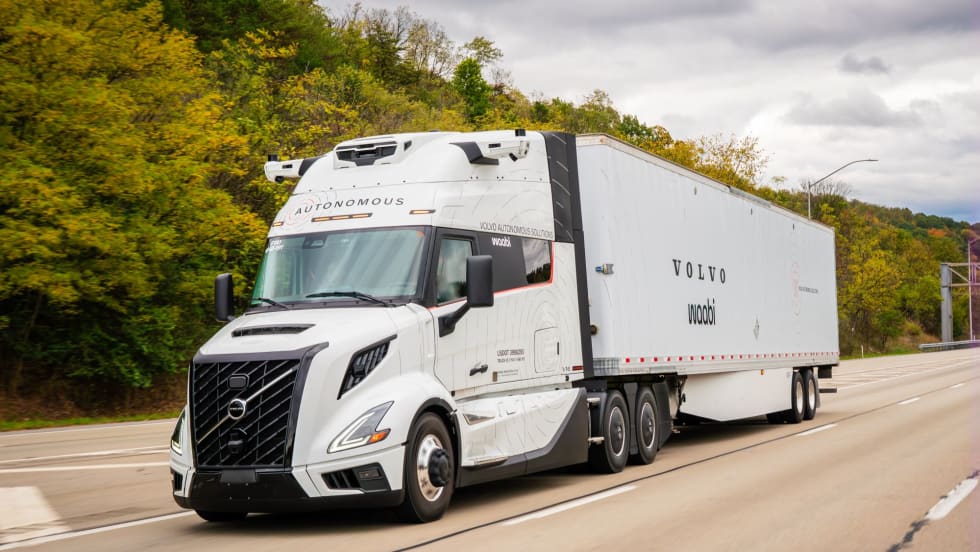
Waabi, Volvo Claim Breakthrough in Scaling Autonomous Trucking
Waabi says its AI-powered virtual driver successfully transferred to Volvo Autonomous Solutions' Volvo VNL Autonomous platform without retraining or additional data, a milestone the companies say could dramatically accelerate commercialization of autonomous trucks.
Read More →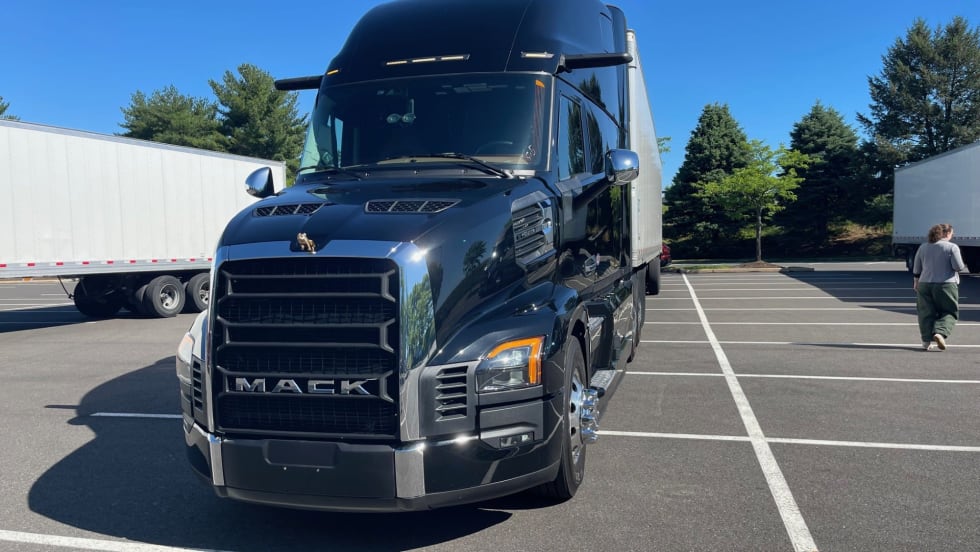
Why the Mack Pioneer Signals a New Era in Class 8 Truck Design
After a public-road drive through eastern Pennsylvania, one thing became clear: Mack's new Pioneer isn't simply packed with technology -- it's been engineered around the driver in ways that could redefine long-haul trucking.
Read More →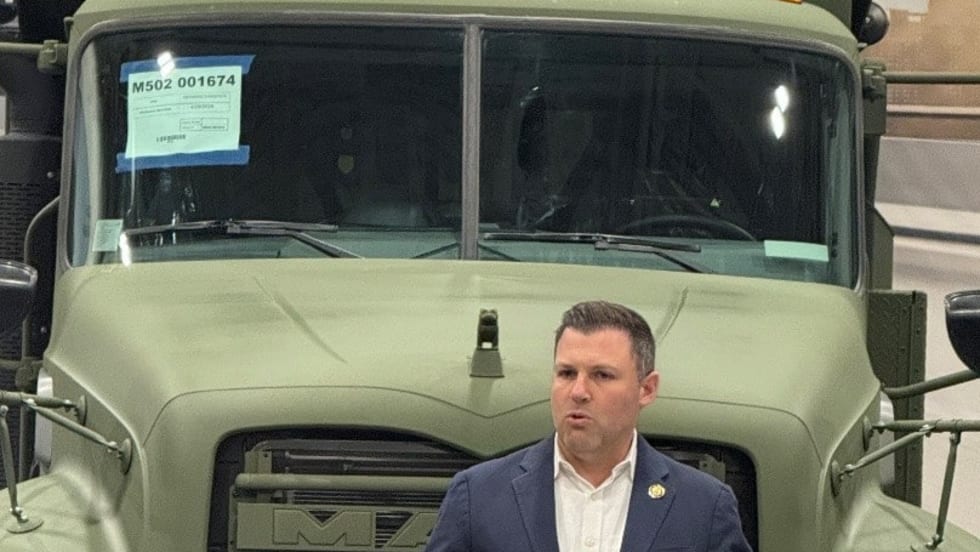
Mack Defense Secures $47 Million to Continue Military Dump Truck Production
President Trump visited Mack Defense’s Macungie, Pennsylvania, facility on June 23 to tout a $47 million Heavy Dump Truck order.
Read More →
New (Antique) Trucks Take the Spotlight at the Mack Trucks Museum
The Mack Trucks Historical Museum has a slate of new historic vehicles on display this year.
Read More →
WEX, TFS Launch Equipment Financing Program for Trucking Fleets
The companies say the program uses technology to connect fleets with financing providers more efficiently than traditional lending channels.
Read More →