





Autonomous truck developer Plus unveiled its Open Platform for Autonomy (OPA), a new open-platform autonomous control technology that uses AI-based technology for highly automated and fully autonomous driving solutions.
Plus Unveils Open Platform Autonomous Control System
Plus said its new open-platform autonomous control technology uses AI-based technology for highly automated and fully autonomous driving solutions.
February 20, 2024
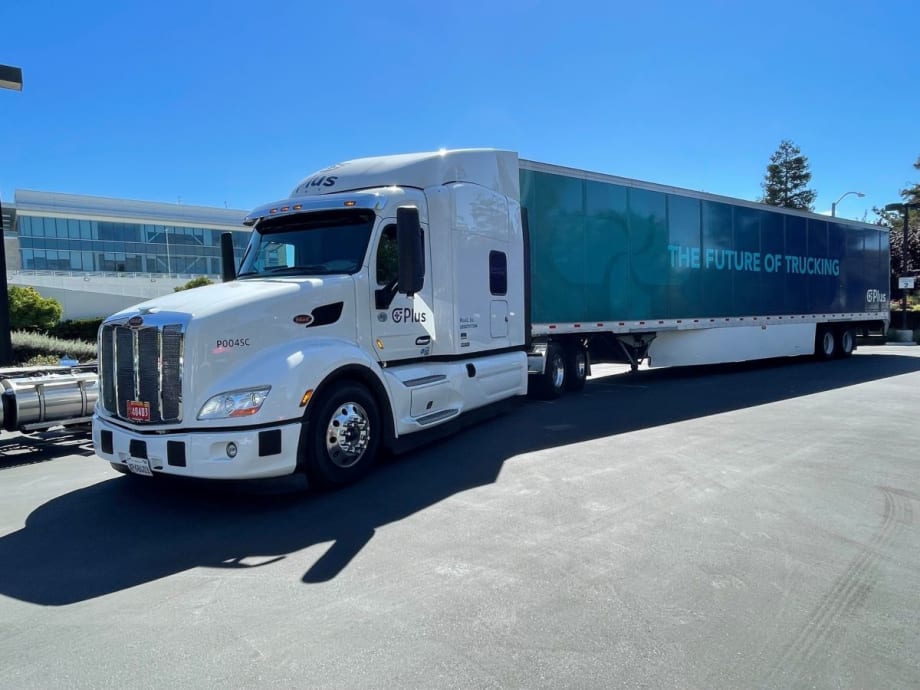
Plus said its new Open Platform for Autonomy system will make it easier for fleets to transition to self-driving trucks.
Photo: Jack Roberts
3 min to read
According to the company, OPA is an open and modular software platform powered by the latest AI models for autonomous vehicle control systems. Plus said OPA supports all levels of autonomy, adapts to specific customer needs, and is optimized for cost-to-performance ratio.
OPA will enable autonomous driving capabilities on customizable configurations across different sensors, processors, vehicle platforms and powertrains, according to a press release. Plus said it has packaged OPA into a suite of solutions that span driver-in next generation safety systems to its “highly automated” PlusDrive and driver-out Level 4 SuperDrive control systems.
There are three main advantages to OPA, according to Plus:
Open platform leverages latest AI-based technology to enable next-generation safety systems for highly automated and fully autonomous driving solutions.
Modularization of software platform designed to give customers maximum flexibility to personalize driving experiences.
Use of common underlying Level 4 autonomous driving software will accelerate speed and ease of transition to higher levels of autonomy in subsequent generations of vehicles.
Modularity, Flexibility and Scalability by Design
Plus’s OPA consists of off-board modules, autonomous vehicle functional modules, and vehicle integration modules. Plus described it as a “brain” that connects all systems needed to enable autonomous driving capabilities. These range from sensor suites that are “seeing” the world to the computing platform that processes all the data and the actuation systems that control the vehicle.
According to Plus, OPA will enable customers to integrate automated driving capabilities into their vehicles, while retaining ultimate control over their autonomy solutions.
OPA supports use cases across all levels of autonomy by using the foundational Level 4 autonomous driving software as its common base. Next-generation safety systems benefit from perception technology in the OPA.
The L2++ PlusDrive solution is already in commercial use to deliver freight across the U.S. and being tested on public roads in Europe.
According to Plus, these deployments give customers the opportunity to benefit from safer and more fuel-efficient automated driving today.
Over-the-air software updates of OPA enable continuous improvement and expansion of features for drivers, supporting customer OEMs’ software-defined vehicle strategies. OEM customers expanding their vehicle range to include higher levels of automation in the future will experience a seamless and faster transition, both from technology and end user standpoint, according to the company.
Plus’s L4 SuperDrive solution is also being deployed to help bring autonomous trucks to Australia.
Calling it a "game-changer," Shawn Kerrigan, Plus COO and co-founder, said in a release, "Not only does it provide vehicle manufacturers and Tier 1s maximum flexibility to develop products customized for their audiences, it’s a natural pathway to evolve their offerings into higher levels of automation over time.”
More Equipment

From Long Haul to Short Loops: The New Math Behind Day Cabs
As warehouse networks expand, predictable regional routes are replacing long-haul runs—reshaping how fleets spec, operate, and resell day cabs.
Read More →
Hyundai Translead Bringing Trailer Production to U.S.
The new Hyundai Translead production sites will improve trailer and body delivery to customers by reducing lead times and leveraging a growing dealer network.
Read More →
HDT Honors the Best New Products of 2025 at TMC [Photos]
Heavy Duty Trucking's Top 20 Products awards recognize the best new products and technologies. Check out the award presentations at the 2026 Technology & Maintenance Council annual meeting.
Read More →
Sponsored•March 31, 2026
Detroit Engines: Trusted Performance, Built for What's Next
The Detroit® Gen 6 engine platform proves that real progress doesn’t require a complete redesign. Built on 20 years of trusted technology, these engines are designed for efficiency, stronger performance, and greater reliability than before. And they do it all while complying with 2027 EPA standards on every mile.
Read More →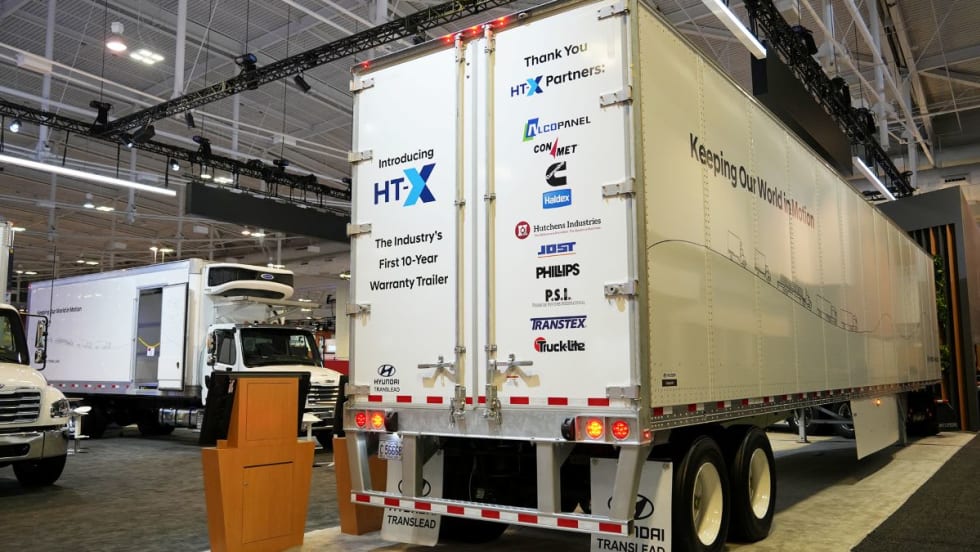
Hyundai Translead Expands Trailer Tech, Introduces Long-Life Dry Van, New Refrigerated Body
Smart safety systems, AI-powered visibility, a 10-year-warranty dry van, and a modular refrigerated body debuted at TMC.
Read More →
EPA Targets DEF Sensor Failures Behind Truck Derates
New guidance allows engine makers to replace problematic DEF sensors with NOx-based systems, aiming to reduce unnecessary derates and downtime caused by failures in the sensors designed to monitor diesel exhaust fluid on trucks.
Read More →
Heavy Duty Trucking is Searching for the Top Green Fleets of 2026
Is your company a leader in sustainability efforts among trucking fleets? If so, Heavy Duty Trucking's editors want to hear from you.
Read More →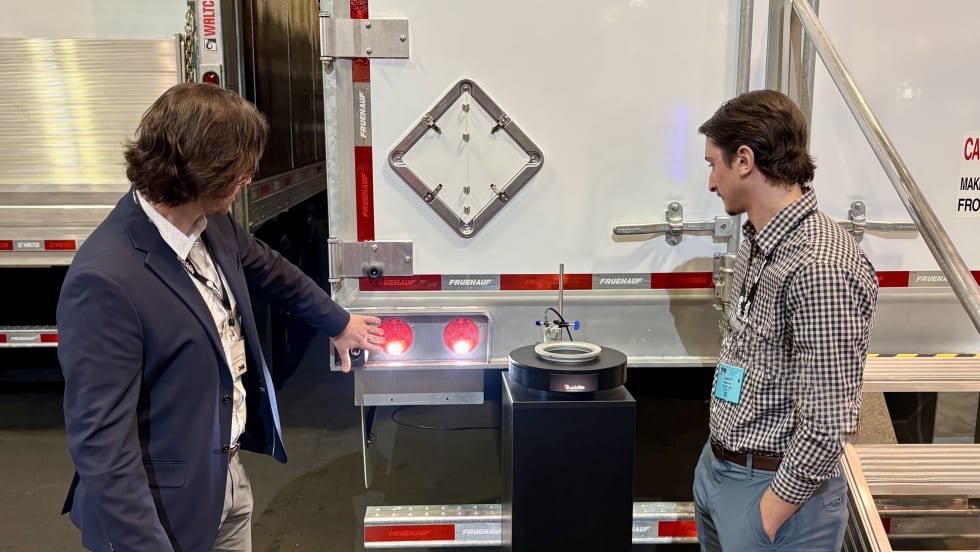
Clarience Technologies Expands Safety and Visibility Portfolio at TMC
From advanced connectivity to AI-powered cameras and next-gen fuel filtration, Clarience companies outlined a roadmap for safer, more connected trailers at TMC’s Annual Meeting.
Read More →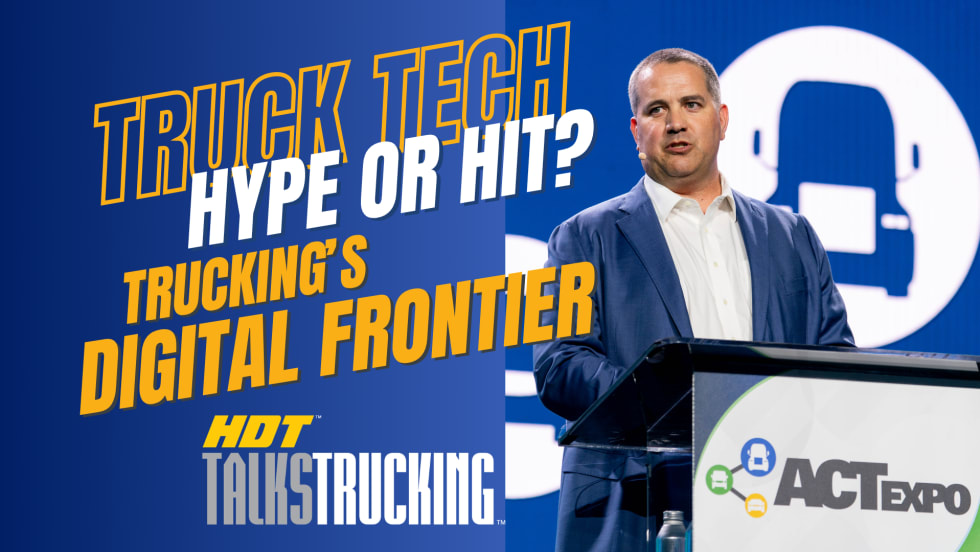
What's Real in Advanced Truck Technology? ACT Expo's Erik Neandross Weighs In
Artificial intelligence, the software-defined vehicle, telematics, autonomous trucks, electric trucks and alternative fuels, and more in this HDT Talks Trucking interview
Read More →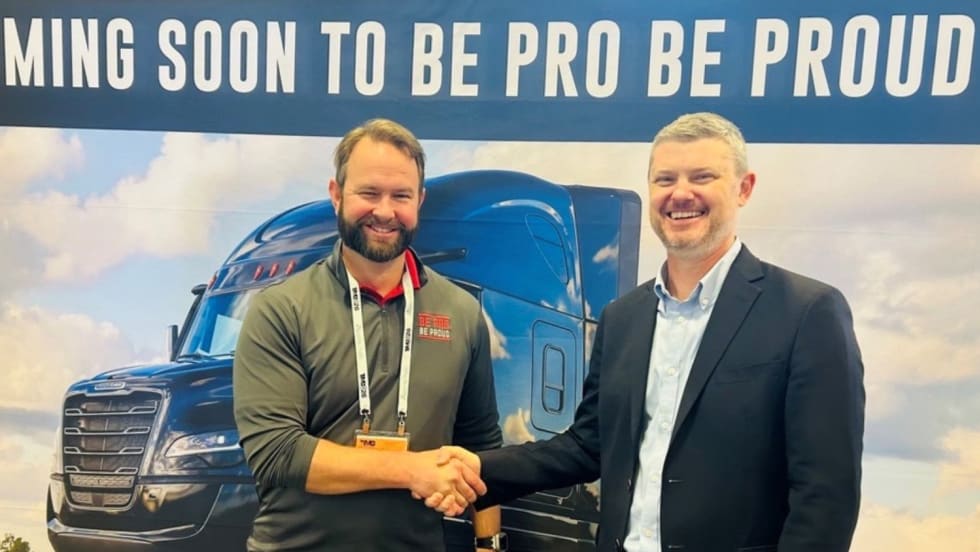
Freightliner Donates Fifth Generation Cascadias to Be Pro, Be Proud
Freightliner has donated three Cascadia trucks to support Be Pro, Be Proud, expanding mobile training efforts aimed at building interest in skilled trades careers.
Read More →