




Canada Delays ArriveCan App Requirement for Cross-Border Truck Drivers
Truckers going to Canada got a last-minute reprieve from a Feb. 22 deadline, but they will soon have to use an app called ArriveCan to submit information before they cross the border.


Use of the ArriveCan travelers' declaration app is mandatory as of Feb. 22, but working commercial drivers will still be allowed to make a verbal declaration – at least for the time being.
Photo: Jim Park
Working commercial drivers will not – for the time being – be required to submit contact information, travel details, and personal health self-assessment information via the ArriveCan App before entering Canada.
That requirement was scheduled to have come into force starting Feb. 22, but in a last-minute deal, the Canadian Border Services Agency said it will continue allowing drivers to report such information verbally at the port-of-entry for a limited time.
According to the Canadian Trucking Alliance, the government of Canada issued an order Feb. 14 declaring that all travelers must use the ArriveCan App for the purpose of entering Canada. Since then, both the CTA and the association representing Canada's private fleets, the Private Motor Truck Council, have sought clarification on the requirement, noting that not all truck drivers have access to smartphones or other technology that supports the ArriveCan app.
CBSA offered a compromise late Friday afternoon indicating that commercial transporters will still be allowed the choice of submitting the mandatory information electronically before entering Canada or answering questions verbally at the inspection booth.
“While it is not mandatory for the information to be submitted in advance of crossing the border at this time, the use of ArriveCan for travelers to submit their information in advance of the border is strongly recommended,” the clarification notes.
For the time being, truck drivers will have three options to comply with Canada's information disclosure requirements:
use the ArriveCan App
make an oral declaration at the inspection booth.
However, according to the CTA, “The oral declaration is only being allowed to facilitate the movement of cross-border trade until a reasonable transition timeframe has elapsed, which is still to be determined.”
The clarification states that Canadian citizens who don’t submit information through the ArriveCan app or web portal will not be denied entry at the land border, but they may face additional delays for public health questioning and/or be subject to enforcement action.
Foreign essential workers, such as American commercial drivers, will not be denied entry to Canada if they have not made their ArriveCan submission, as long as they meet requirements under the Immigration and Refugee Protection Act and would otherwise be eligible to enter Canada. Foreign drivers may also face delays and possible enforcement action. U.S. citizens may be denied entry into Canada for refusing to provide the required information.
If a driver does not have a device capable of downloading the ArriveCan App, they can access the web version from any device that has internet capability and sign in that way. The web portal does, however, require an active email address. The CTA estimates as many as 20% of drivers may not possess devices capable of supporting the ArriveCan app or an active email address.
What Information is Required?
As part of Canada's efforts to reduce the spread of COVID-19, all eligible travelers are required to provide essential information upon arrival into Canada. The ArriveCan App was designed as a user-friendly digital tool to help travelers comply with border measures quickly and securely. Using ArriveCan may also help to speed up the process at the border and limit driver contact with others.
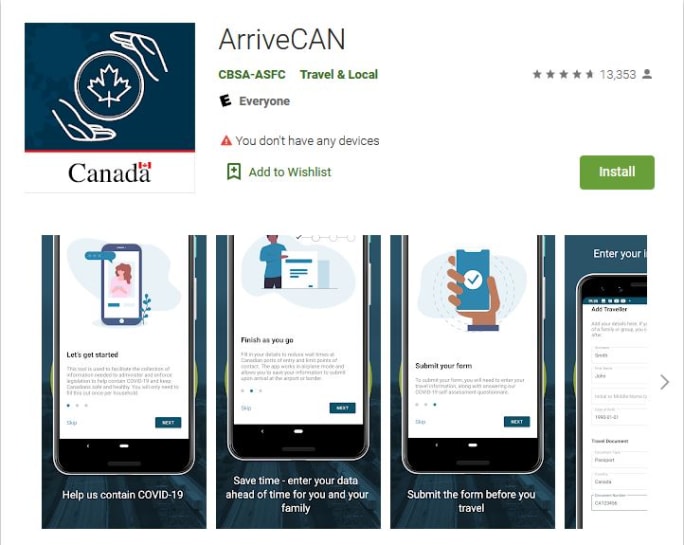
The ArriveCan app is part of Canada's efforts to reduce the spread of COVID-19.
Photo: Screen capture of ArriveCan app download
The app doesn’t use GPS or other technology on your mobile phone to track location and uses only the information provided by the user. The personal information provided through ArriveCan is protected according to the Privacy Act.
The app asks users to provide the following information:
contact information, such as your name, date of birth, email address, phone number and travel document details
travel details, such as date of arrival, port of entry if you're entering by land
the purpose of your travel, such as exempt travel in the case of truck drivers
any symptoms you may be experiencing
Although drivers are required to enter travel and contact information, as essential workers, commercial truck drivers will not be required to complete the quarantine portion of the ArriveCan app questionnaire.
“In conversations with CBSA, they have ensured us that operationally their directive remains to help facilitate the industry towards compliance,” said PMTC President Mike Millian. "[CBSA] are not looking to begin laying fines right out of the gate, but instead educating drivers and the industry towards compliance. That said, officers do have the option of levying fines as of Monday.”
Commercial Drivers Not Required to Quarantine
Recent announcements from Canada regarding Covid-10 testing and quarantine periods for persons entering that country may have caused some confusion among working drivers. Working truck drivers are not required to quarantine upon arriving in Canada. There has also been some talk of requiring working drivers to submit negative Covid-19 test before entering Canada. As of now, that is not required, but it is being discussed.
More from Canada: The Clock is Ticking on Canadian ELD Compliance
More Fleet Management
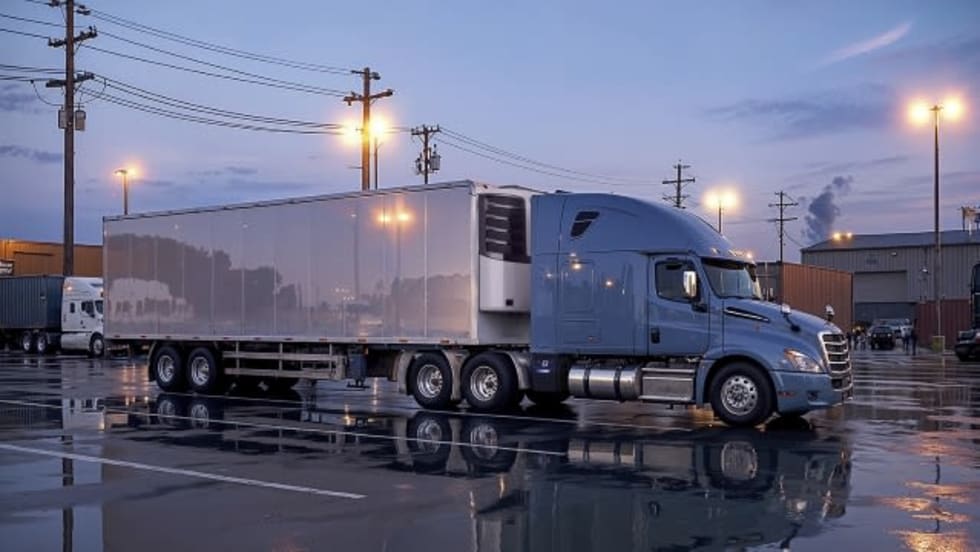
Enhance Fleet Performance with High-Efficiency Auxiliary Power Units
Drive sustainable cost savings while increasing driver comfort during short- and long-haul logistics operations.
Read More →
Is Your Parts Procurement Process Reactive or Proactive?
Ready to revamp your parts procurement process? Learn how now with “Strategic Parts Purchasing: A Process Checklist”
Read More →
What Trucking Events are Happening in 2026?
Looking for trucking-related conventions, expos, and other events? Heavy Duty Trucking has developed this list of national and larger regional trucking shows and events.
Read More →
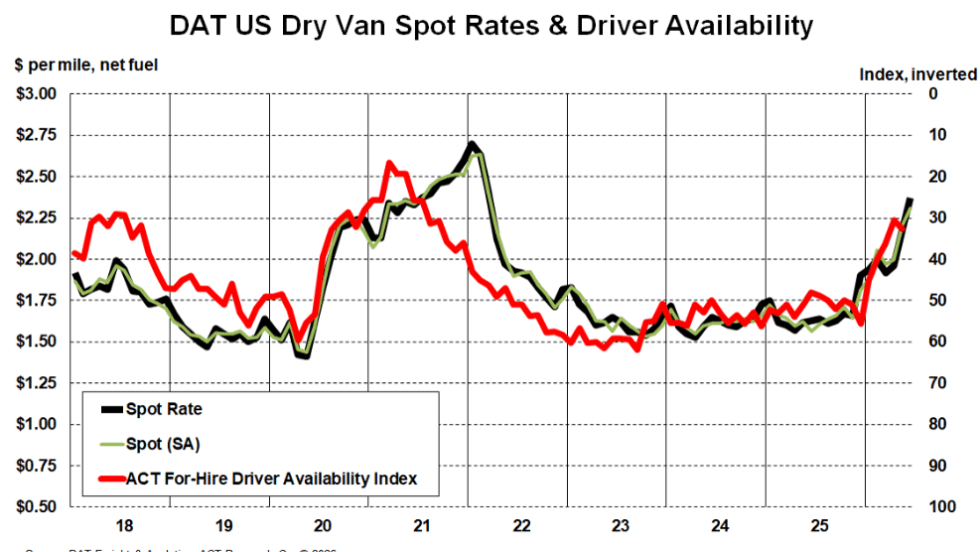
Truckload Rates Keep Rising as Tight Capacity Fuels Freight Market Recovery
Spot and contract rates continued climbing in May and June, not because freight demand is surging, but because fewer trucks and drivers are available.
Read More →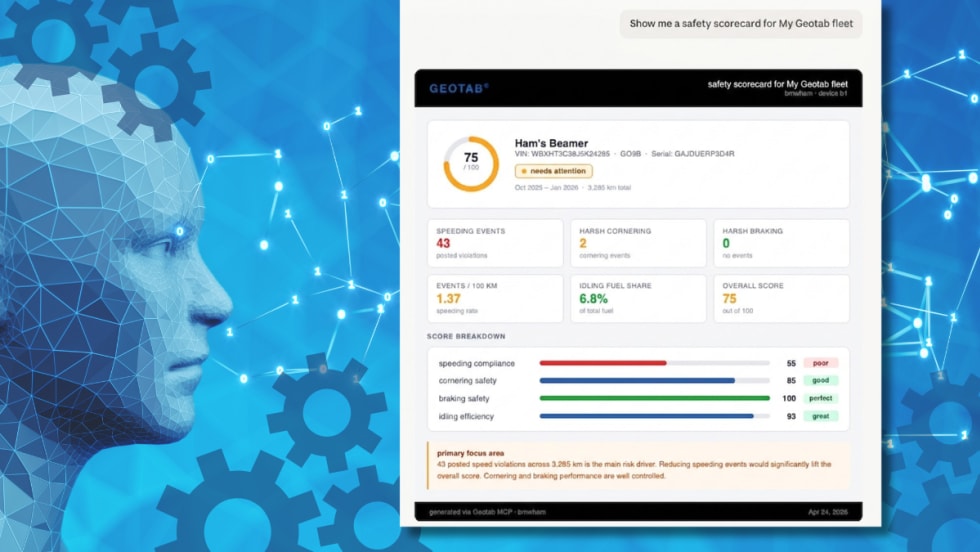
What Geotab's New AI Connector Means for Fleets
Fleets can now ask their usual AI assistants questions about maintenance, safety, fuel use, and vehicle performance, using their live Geotab data, and take action on the answers without leaving their preferred AI tool.
Read More →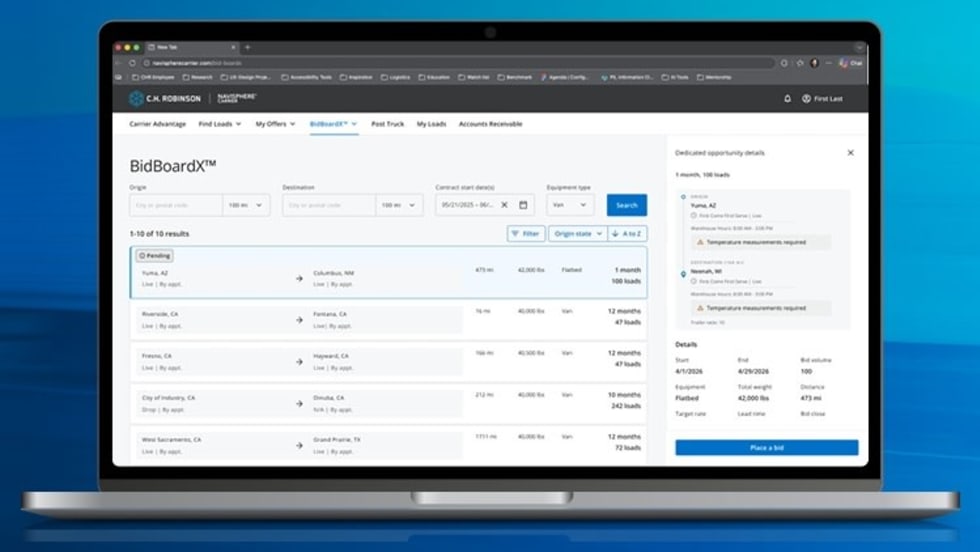
New C.H. Robinson Tool Opens Door to More Predictable Freight
BidBoardX lets carriers search, bid on, and secure committed freight opportunities through a single digital marketplace.
Read More →
New York City's Microhub Project is Delivering Results
Trucking, last-mile delivery companies, and environmental advocates like what they are seeing so far with New York's microhub program.
Read More →
Why Truck Detention Keeps Costing Fleets Time and Money
A 2024 ATRI study found detention affects nearly 40% of truckload stops and costs the industry more than $15 billion annually. Despite the toll on drivers, fleets, and supply chains, the problem remains stubbornly persistent.
Read More →
Time is Running Out to Apply for Exclusive HDT Event
Heavy Duty Trucking Exchange brings fleet managers and suppliers together for the deeper conversations that lead to ideas, partnerships, and solutions. Time is running out to apply for the September event.
Read More →
Amazon Launches Less-Than-Truckload Freight Offering for All Businesses
This launch is the latest addition to Amazon Supply Chain Services, a portfolio of supply chain capabilities from Amazon, including freight, distribution, fulfillment, and parcel shipping.
Read More →